If you’ve ever spent hours scrolling through aftermarket wheels, you know there’s more to picking forged wheels than just the “cool factor.” As a forged wheels supplier who’s worked with car owners for over a decade, I’ve seen too many people grab a set because they look good—only to run into fitment issues, ride quality problems, or even safety risks down the line. Forged wheels aren’t just an upgrade; they’re a core component that interacts with your car’s suspension, brakes, and even engine performance. Getting the wrong ones can turn your dream ride into a headache. That’s why I’m breaking down what you actually need to consider, backed by years of hands-on experience with real cars and real customer needs. Forged Wheels
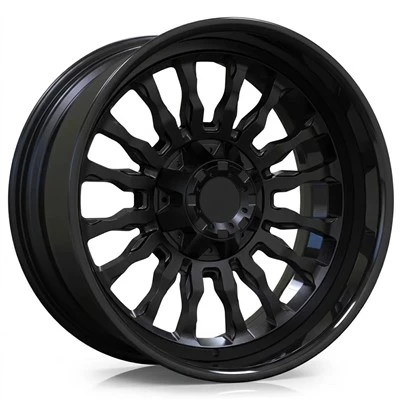
First, let’s start with why forged wheels matter more than cast or flow-formed options. Forged wheels are made from a solid block of aluminum alloy (usually 6061-T6 or 7075-T6, the two most common grades) that’s heated and pressed under extreme pressure, rather than melted and poured into a mold like cast wheels. That process makes them 30-50% stronger than cast wheels, with a higher strength-to-weight ratio—meaning they’re lighter and can handle way more stress from hard driving, potholes, or track days. When a customer comes to me, they often ask, “Should I go forged?” My answer is almost always yes, but only if they pair that strength with the right specs for their specific car.
The first non-negotiable spec is fitment. This isn’t just bolted on and off; it’s about three core numbers: diameter, width, and bolt pattern. Let’s break that down. Diameter is the most obvious, but it’s not just about making the wheel bigger to look aggressive. If you go too big (say, jumping from 18-inch to 22-inch wheels) without adjusting the tire sidewall height, you’ll get a harsher ride, increased stress on the wheel spokes, and even rubbing issues when turning or going over bumps. My advice? Stick to a diameter that’s within 1 inch of your car’s original factory size unless you’re pairing it with a low-profile tire upgrade that’s engineered for that change. For example, a 2022 BMW M3 comes stock with 19-inch front and 20-inch rear wheels. I regularly supply customers with 19×10 front and 20×11 rear forged sets for track use, but I never recommend 22-inch sets for daily driving on the same car—they destroy the ride quality and add unnecessary unsprung weight.
Next, wheel width. This is where a lot of people mess up. The width of your wheel determines which tire sizes are compatible, and too narrow or too wide can lead to safety issues. If your wheel is too narrow for your tire, the sidewall will bulge, which can cause uneven tire wear, reduced cornering grip, and even blowouts at higher speeds. If it’s too wide, the tire can overhang the edge of the wheel, leading to rubbing on the fenders or suspension components. Every tire has a recommended wheel width range printed on its sidewall—always cross-reference that with your wheel’s width. For a Subaru WRX that’s used for autocross, I suggest a 18×9.5-inch wheel width paired with a 265-width tire, which is the sweet spot for grip without fitment headaches. For a daily-driver Honda Civic, a 17×8-inch wheel with a 225-width tire balances style, ride comfort, and tire longevity.
Bolt pattern and center bore are two more fitment details that are easy to overlook but critical. Bolt pattern is the number of lug nuts and the distance between them—for example, 5×114.3 for most Japanese cars, 5×120 for BMWs. If your wheel doesn’t match your car’s bolt pattern, you can’t mount it, no matter how cool it looks. Center bore is the hole in the middle of the wheel that fits over your car’s hub. If the center bore is smaller than your hub, it won’t fit. If it’s larger, you’ll need hub-centric rings to fill the gap—skip that, and the wheel will wobble at speed, cause uneven tire wear, and put stress on the lug nuts. I’ve had customers come to me after buying a set of wheels online that had a 73.1mm center bore for a 2018 Camaro, when their Camaro’s hub is 70.3mm. A $10 set of hub-centric rings fixed the issue, but that’s a mistake you can avoid by checking specs before ordering.
Once fitment checks out, the next big factor is weight. Forged wheels are already lighter than cast wheels, but not all forged wheels are created equal in this regard. Lighter unsprung weight (the parts of the car that move with the wheels, including wheels, tires, and brakes) has a bigger impact on performance than almost any other mod. Reducing unsprung weight makes the car accelerate faster, brake shorter, and handle better because the suspension can react faster to bumps and turns. For example, a 20-pound reduction per wheel cuts unsprung weight by 80 pounds total—and that’s equivalent to a 100-pound weight reduction in the car’s body, which has a much smaller impact on performance. When I design custom forged sets for track customers, I prioritize lightweight 6061-T6 alloy wheels over heavier 7075-T6, which is stronger but denser. The tradeoff: 7075-T6 is better for heavy-duty use (like towing or off-roading) but unnecessary for most street-driven cars, where the lighter 6061-T6 offers better daily performance.
Surface finish is another choice that’s not just cosmetic—it affects durability and maintenance. The most common finishes are glossy black, matte black, silver, and machined face with a clear coat. Glossy finishes look sleek but show scratches and brake dust more easily, and the clear coat can fade if you park your car outside for long periods. Matte finishes are more resistant to light scratches but are harder to clean—they trap brake dust in the porous surface, which can require special cleaners to avoid discoloration. Machined face finishes (a polished aluminum face with a black or gray inner barrel) are popular because they look aggressive, are easy to clean, and the clear coat protects the machined surface from corrosion. For off-road trucks, I often suggest powder-coated finishes, which are extremely durable against rocks, mud, and corrosion. For a daily-driven sports car, a machined face with a clear coat is the best balance of style and low maintenance.
Load rating is a spec that many casual car owners ignore, but it’s vital for safety. Load rating is the maximum weight a wheel can support, measured in pounds. Every car has a recommended load rating for its wheels, based on the car’s total weight (including passengers, cargo, and towing capacity). If you install wheels with a lower load rating than your car’s requirement, you risk wheel failure, especially when carrying heavy loads or towing. For example, a compact car like a Honda Civic has a total weight of around 3,000 pounds, so each wheel needs a load rating of at least 750 pounds (3,000 divided by 4). A heavy-duty truck like a Ford F-150 needs a load rating of 1,500 pounds per wheel or more. For off-road vehicles that see heavy use, I always recommend wheels with a 1,800-pound load rating to handle impacts from rocks and uneven terrain.
If you’re still unsure, custom forged wheels are a great option for unique cars or custom builds. Many car owners come to me with a specific vision for their car, like a vintage Mustang that needs a modern, aggressive style but can’t find an off-the-shelf set that fits. Custom forged wheels let you design every detail: spoke count (5 spokes for a classic look, 10 spokes for extra strength), offset (the distance from the wheel’s center line to the hub mount, which affects how the wheel sits in the fender), and even small custom touches like engraved logos. The catch: custom wheels are more expensive than off-the-shelf sets, but they’re built exactly for your car, so you eliminate fitment risks and get a set that’s perfectly matched to your driving needs.
Now, let’s talk about common mistakes I see customers make all the time. First, chasing size over functionality. I once had a customer who wanted 22-inch wheels on a Mazda Miata, which is a tiny, lightweight sports car originally made with 15-inch wheels. The 22-inch wheels added 20 pounds per wheel, making the Miata’s already sluggish acceleration even worse, and the low-profile tires made the ride so harsh it was uncomfortable on city streets. He ended up switching back to 17-inch wheels after six months, wasting thousands of dollars. Second, ignoring offset. Offset is a tricky spec, but it determines how far the wheel sticks out from the fender. Too little offset (too far out) and the wheel will stick out, causing rubbing on the fender when turning. Too much offset (too far in) and the wheel will sit inside the fender, reducing grip and making the car look stubby. I always suggest checking your car’s original offset and adjusting by no more than 5mm when changing wheel sizes. Third, skimping on quality to save money. Forged wheels are an investment—cheap forged wheels from overseas suppliers often use lower-quality alloys or skip quality control steps, leading to hidden cracks or weak spots. Stick to reputable suppliers, and ask about their forging process, material grade, and testing standards. A $500 difference per wheel might seem like a lot, but it’s worth it for a set that’s safe and will last for years.
Once you’ve narrowed down your choices, how do you finalize the right set? Start with your driving style: if you’re a daily driver who only takes the car on road trips and runs errands, prioritize ride comfort, low maintenance, and reliability. If you’re a track enthusiast or autocross racer, prioritize weight, strength, and grip. If you have an off-road truck, prioritize load rating, durability, and resistance to impacts from rocks. If you’re building a show car, prioritize style, finish, and custom touches, but don’t sacrifice fitment or basic specs just for looks.
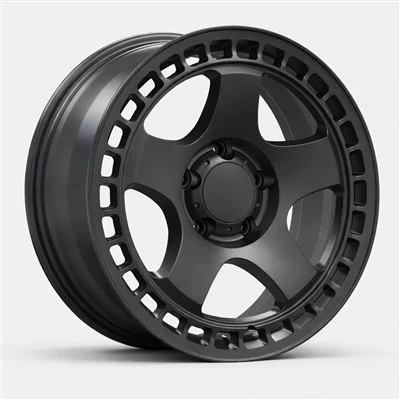
At the end of the day, the right forged wheel for your car is the one that balances your needs, fits correctly, and is built to last. It’s not just about the way it looks—it’s about how it performs, how it feels to drive, and how it keeps you safe on the road. If you’re still unsure about what specs work for your car, or if you want to design a custom set tailored to your build, feel free to reach out to discuss your requirements.
Two Piece Forged Wheels References
- Aluminum Association. (2021). Forged Aluminum Alloys for Automotive Applications.
- Tire Industry Association. (2020). Wheel and Tire Fitment Guidelines for Passenger Vehicles.
- Society of Automotive Engineers (SAE). (2019). Standard Test Methods for Wheel Load Rating.
- Automotive Aftermarket Suppliers Association (AASA). (2022). Aftermarket Wheel Selection Guide for Street and Performance Vehicles.
Hurong (Ningbo) Wheels Co., Ltd.
Hurong (Ningbo) Wheels Co., Ltd. is one of the most professional forged wheels manufacturers and suppliers in China, also supports customized service and OEM service. Welcome to wholesale bulk high quality forged wheels made in China here from our factory. If you have any enquiry about cooperation, please feel free to email us.
Address: Floor.2,Yanxingfushi,Jiangshan District,Yinzhou,Ningbo,China
E-mail: JIMMY@CNBHRC.COM
WebSite: https://www.hrc-wheel.com/
