When I first started out in the plastic feeding equipment industry 12 years ago, I’ll admit I didn’t fully grasp the weight of the question: “What is the feeding pressure of plastic feeding equipment?” Back then, I thought it was just a matter of getting plastic pellets from point A to point B without making a mess. But over thousands of client visits, late-night troubleshooting sessions, and countless conversations with plant managers who’ve seen their production lines grind to a halt, I’ve learned that feeding pressure isn’t a technical spec—it’s the quiet force that can make or break a plastic manufacturing operation. Today, I want to break this down like I do with my team over coffee, no overly complicated jargon, just real insights from someone who’s spent their career solving this exact problem for businesses just like yours. Plastic Feeding Equipment
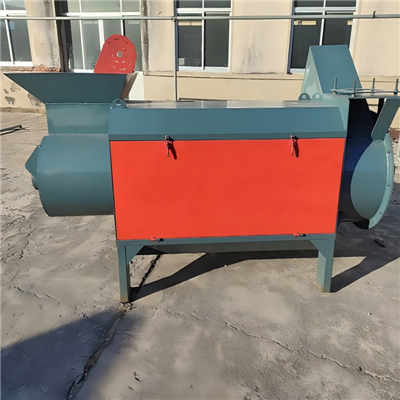
Let’s start with the basics. Every plastic feeding system—whether it’s a volumetric feeder for small injection molding runs or a gravimetric blender for large-scale extrusion—relies on pressure to move material. Feeding pressure, in simple terms, is the force required to move plastic resin (pellets, regrind, or additives) from the storage hopper through the feeding line into the processing machine’s barrel. But here’s the thing: it’s not a one-size-fits-all number. It shifts based on what material you’re using, how your line is set up, even the temperature in your plant. I once had a client making plastic packaging films who thought their feeder was broken because the pressure kept spiking on cold winter mornings. It turned out the dense pellets were settling faster in the cold hopper, increasing the pressure needed to pull them through. That’s the kind of real-world quirk you don’t learn from a textbook.
Now, why does this pressure matter? Because too little, and you get inconsistent feeding. You’ll see the machine starve for material mid-cycle, leading to parts with gaps, uneven wall thickness, or even full production scrap. Too much pressure, and you’re looking at worn-out components, wasted energy, and even safety risks. I remember a plant that ran their feeder at double the recommended pressure because they wanted to speed up their line. Within six months, their feeding auger had worn through the steel casing, and plastic had leaked onto the electrical wiring. They were down for three days, costing them over $50,000 in lost orders and repairs. That’s the kind of cost that makes feeding pressure more than a spec—it’s a financial and operational factor.
Let’s get into the factors that shape feeding pressure, because this is where my work as a supplier really comes in. First, material characteristics. Plastic resin isn’t uniform. Round pellets (like PP or HDPE) flow easily, so they need lower feeding pressure. But irregular regrind, which is often leftover plastic chopped into small, uneven pieces, has more friction. It sticks together, so you need higher pressure to move it. Additives too—color masterbatches or glass fibers—can make material stiffer, increasing the force required. I had a client working with 30% glass-filled nylon that struggled with feeding pressure until we adjusted the feeder’s vibratory settings and line diameter. That small change cut their pressure needs by 22% and reduced part inconsistency by 15%. It’s not just about the equipment; it’s about matching it to your specific material.
Next, line design. The length of your feeding line, the number of bends, and even the diameter of the pipe all impact pressure. A short, straight line will need far less pressure than a line that wraps around a factory floor to reach a machine on the other side. I’ve seen clients try to use a 10-foot straight line for a 20-foot run, and wonder why their feeder is constantly under stress. Too many 90-degree bends create backpressure that the feeder has to work harder to overcome. That’s why when we design a feeding system for a new client, we always map out their plant layout first—even if it adds an extra day to the setup, it saves them months of headaches later.
Operating conditions play a huge role too. Plant temperature and humidity might seem trivial, but like that winter morning client, they affect how material flows. High humidity can make pellets absorb moisture, causing them to clump in the hopper. Clumps mean higher feeding pressure to break them apart, and that pressure can damage the feeder’s internal parts over time. I work with a lot of injection molding plants in humid regions, and we always add dehumidification hoppers to their feeding systems to reduce clumping. That small addition not only lowers feeding pressure but also improves material quality.
Now, let’s talk about the pressure range you’re actually dealing with. For most standard applications (like virgin PP or HDPE), feeding pressure hovers between 0.5 and 2 psi. But for specialty materials, that can jump to 5 psi or more. Here’s where I see a lot of mistakes: clients buy a “one-fits-all” feeder because it’s cheaper, but it can’t handle their specific pressure needs. Last year, a small extrusion shop reached out to me because their feeder kept failing. They’d used a generic volumetric feeder designed for low-pressure applications, but they were feeding recycled plastic regrind that needed 3.5 psi. The feeder’s motor wasn’t strong enough, and the auger wore out in three months. We replaced it with a feeder built for medium-pressure applications, and they’ve had zero issues since. That’s why as a supplier, I never push the cheapest option— I push the right option for their pressure demands.
So, how do you manage feeding pressure effectively? Let’s break this down into actionable steps, the kind I walk clients through every day. First, measure your actual pressure, don’t guess. Most plants don’t have pressure sensors on their feeders, so they’re flying blind. We recommend adding a simple pressure gauge to your feeding line—this tells you exactly what force you’re working with, not what the manual says. I’ve had clients who thought their pressure was high, only to find out it was actually 20% lower than the maximum their feeder could handle. Small measurements like that can save you from overworking your equipment.
Second, adjust your system for your material and line. If you’re switching from virgin resin to regrind, don’t just crank up the feeder’s speed— adjust the pressure. For example, increasing line diameter by 2 inches can reduce pressure by almost 30% for the same material. I recently helped a client who was struggling with their regrind feeding issue by just swapping to a wider line and adding a small vibrator to the hopper. It was a $1,200 fix that worked better than the $10,000 upgrade they were considering. That’s the value of working with someone who understands feeding pressure, not just selling equipment.
Third, regular maintenance. Feeding pressure can creep up over time as parts wear out. A worn auger, for example, can create friction that increases required pressure by 15-20%. We tell clients to inspect their feeders monthly: check the auger for wear, clean the hopper to prevent clumps, and test the pressure gauge. I had a client who skipped maintenance and ended up with a pressure spike that caused a line burst. The repair cost was $2,000, plus they lost $12,000 in production that week. Regular checks are a small investment that avoids big problems.
Now, let’s address a common misconception I hear all the time: “More pressure means faster feeding.” That’s not true. Faster feeding comes from consistent pressure, not higher pressure. If you run your feeder at maximum pressure, you’ll wear out parts faster and risk material degradation. For example, some plastic resins break down under too much force, leading to weak parts. I’ve seen clients with 20% higher scrap rates because they were over-pressuring their feeders to hit higher output. The sweet spot is the pressure that moves material consistently without straining the equipment.
As someone who’s been in this industry for years, I’ll tell you this: feeding pressure is one of the most underappreciated factors in plastic manufacturing. It’s not just a technical number—it’s tied to your production costs, equipment lifespan, and product quality. Whether you’re a small shop with one injection molding machine or a large facility with 10 extrusion lines, getting your feeding pressure right makes all the difference.
At the end of the day, my team and I don’t just sell plastic feeding equipment. We solve feeding pressure problems. We’ve worked with over 300 clients across North America, from startup packaging plants to established automotive parts manufacturers, to tailor systems that meet their exact pressure needs. If you’re dealing with inconsistent feeding, high equipment wear, or unclear pressure specs, I’d love to help you troubleshoot. We don’t use generic solutions—we take the time to understand your material, your line layout, and your production goals to find the right balance of feeding pressure, equipment performance, and cost.
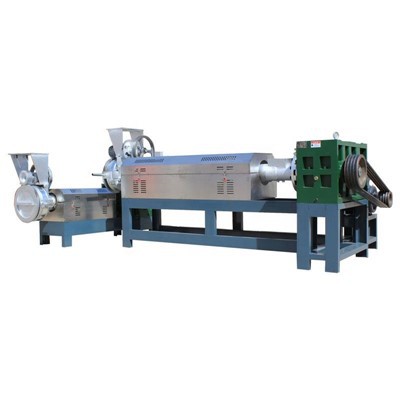
If you’re ready to stop guessing about your feeding pressure and start optimizing your production, reach out to us to discuss your needs. There’s no one-size-fits-all answer, but there’s a solution for every operation.
Plastic Drying Equipment References
- Plastic Technology, “Feeding Systems for Polymer Processing,” 2021
- Manufacturing Engineering Society International Conference, “Pressure Analysis in Gravimetric Feeding Systems,” 2019
- Society of Plastics Engineers, “Guidelines for Optimizing Feeding Pressure in Plastic Extrusion,” 2020
Laizhou Yuening Machinery Co., Ltd.
As one of the most reliable plastic feeding equipment manufacturers in China, we warmly welcome you to buy cheap plastic feeding equipment made in China here from our factory. All customized machines are with high quality and low price. For pricelist, contact us now.
Address: Yuanjia Village, Luwang, Shahe Town, Laizhou City, Yantai City, Shandong Province
E-mail: yueningjixie@163.com
WebSite: https://www.ynplasticmachinery.com/
