Hey there! As a supplier of twill woven fabric, I get asked a bunch of questions about different types of fabrics all the time. One of the most common queries I hear is about the difference between twill woven fabric and denim. So, let’s dive into it and clear up any confusion! Twill Woven Fabric
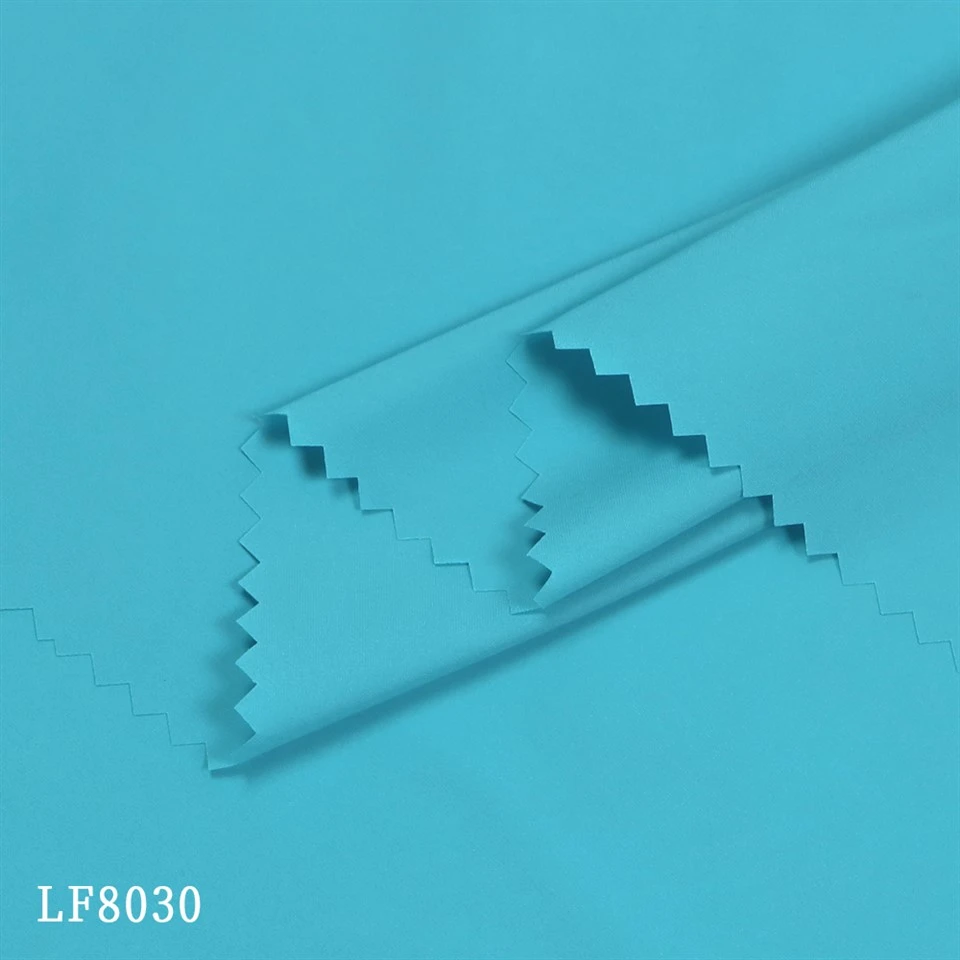
Let’s start with twill woven fabric. Twill is a type of weaving pattern that creates a distinct diagonal ribbing on the fabric’s surface. This pattern is made by passing the weft (the horizontal yarn) over one or more warp (the vertical yarn) threads and then under two or more warp threads. The result is that cool diagonal line look. It gives the fabric a unique visual texture and a smooth, uniform finish.
Twill woven fabrics come in a wide range of materials, like cotton, wool, silk, and synthetic fibers. This means they can be used in all sorts of applications. For example, in the fashion world, twill cotton is super popular for making pants, jackets, and suits. It’s durable, drapes well, and can look both casual and formal. Wool twill is great for winter coats because it’s warm and has a nice, structured feel. And silk twill is often used for high – end dresses and blouses, as it has a luxurious sheen.
Now, let’s talk about denim. Denim is actually a type of twill woven fabric, but it has some unique characteristics that set it apart. The most well – known feature of denim is its indigo dye. Traditionally, denim is dyed with indigo, which gives it that classic blue color. The indigo dyeing process is a bit different. The warp threads are usually dyed before weaving, while the weft threads are left white. This creates the characteristic contrast between the front and back of the fabric. When you look at a piece of denim, the front side is the darker blue, and the back is a lighter, almost white color.
Denim is almost always made from cotton. It’s known for being extremely durable. That’s why it’s the go – to fabric for jeans. Jeans have been a staple in fashion for ages, and it’s because denim can withstand a lot of wear and tear. Whether you’re working on a farm, going for a hike, or just hanging out with friends, denim jeans will hold up. Denim is also used to make jackets, shorts, and even some home decor items like pillows and curtains.
Another difference between twill woven fabric in general and denim is the weight. Twill fabrics can come in a variety of weights. You can have lightweight twill for summer clothing, like a cotton twill shirt that’s breathable and comfortable in hot weather. On the other hand, denim is usually heavier. The heavyweight nature of denim makes it suitable for colder seasons and for items that need to be tough, like work pants.
In terms of texture, while both twill and denim have that diagonal pattern, denim often has a more rugged texture. This is due to the way it’s made and the type of cotton used. The cotton fibers in denim are usually coarser, which gives it that rough – and – tumble feel. Twill fabrics, depending on the material, can have a much smoother texture. For instance, silk twill is incredibly soft and smooth to the touch.
When it comes to care, twill woven fabric and denim also have some differences. Twill fabrics made from different materials require different care. Silk twill needs to be hand – washed or dry – cleaned to maintain its luster and shape. Cotton twill can usually be machine – washed, but it’s a good idea to use a gentle cycle. Denim, however, is a bit more forgiving in terms of care. You can machine – wash denim jeans on a regular cycle, but it’s important not to over – wash them. Over – washing can cause the indigo dye to fade too quickly and can also wear out the fabric faster.
Let’s also talk about the appearance and colorfastness. As I mentioned earlier, twill fabrics can come in a wide variety of colors and patterns. You can dye twill fabric in any color you want during the manufacturing process. The colorfastness of twill fabric depends on the quality of the dye and the material. For example, synthetic twill fabrics often have good colorfastness because synthetic fibers can hold dyes well.
Denim is all about that indigo color. And one of the cool things about denim is its color fading over time. The indigo dye in denim doesn’t bond evenly to the cotton fibers. This means that as you wear and wash your denim jeans, they will start to fade in unique patterns. These fade patterns are highly sought after by denim enthusiasts. Some people even do things like soak their jeans in saltwater or avoid washing them for a long time to control how the denim fades.
From a production perspective, twill woven fabrics are more versatile in terms of production. You can use different materials, different weaving tensions, and different dyeing processes to create a wide range of twill products. Denim production, on the other hand, is more focused on a specific look and feel. The indigo dyeing process is key to the identity of denim, and most denim manufacturers follow a similar process to achieve that classic blue color.
In terms of cost, the price of twill woven fabric can vary widely depending on the material. Silk twill is going to be more expensive than cotton twill due to the cost of silk. Synthetic twill can be relatively inexpensive, making it a popular choice for fast – fashion items. Denim also has a range of prices, but generally, good – quality denim with a nice indigo dye and high – quality cotton can be a bit more expensive, especially if it’s from a well – known brand.
So, to sum it up, denim is a type of twill woven fabric, but it stands out with its indigo dye, heavy weight, rugged texture, unique fading patterns, and more specific production focus. Twill woven fabric is a broader category that offers a lot of variety in terms of materials, weights, textures, and colors.
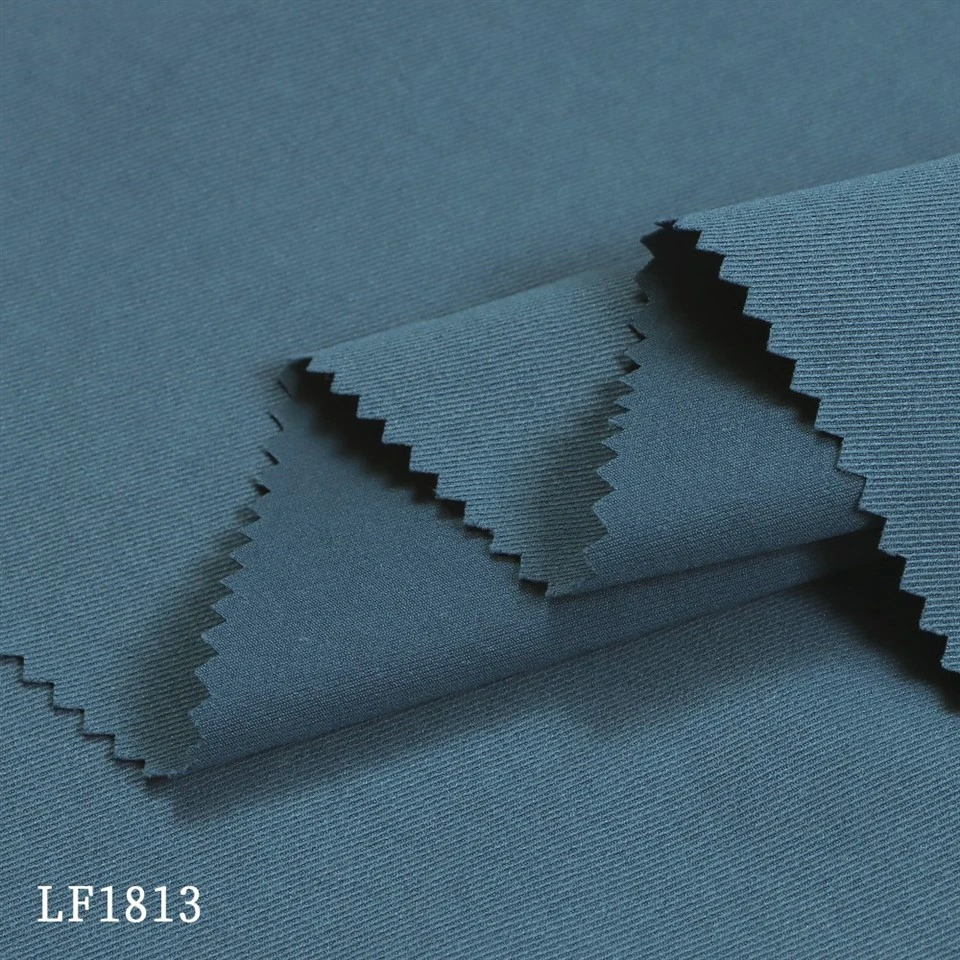
Whether you’re looking for a lightweight twill shirt for summer or a pair of durable denim jeans for everyday wear, understanding these differences can help you make better choices. And if you’re in the market for twill woven fabric, I’m here to help! As a supplier, I have access to a wide range of twill fabrics in different materials, colors, and weights. Whether you’re a fashion designer looking to create a new collection or a manufacturer in need of bulk fabric, I can provide you with high – quality twill woven fabric. Don’t hesitate to reach out if you have any questions or if you’re interested in discussing a potential purchase. I’m always happy to chat and find the right fabric solution for you.
Polyester Crepe Fabric References
- Textile Science books
- Industry reports on fabric production and trends
- Fashion magazines and blogs discussing fabric types
Shaoxing Huichao Textile Co., Ltd.
As one of the most professional twill woven fabric manufacturers and suppliers in China, we offer a wide range of products with superior quality. Please feel free to wholesale bulk high-end twill woven fabric in stock here from our factory. Good service and reasonable price are available.
Address:
E-mail: darrenzhong@huichaotextile.com
WebSite: https://www.huichao-textile.com/
