Hey there! I’m a supplier in the lathe business, and I often get asked about the differences between bench lathes and floor lathes. So, let’s dive right in and break it down. Lathe

Size and Setup
First off, the most obvious difference is the size. Bench lathes are, as the name suggests, designed to sit on a bench. They’re compact and lightweight, which makes them super easy to move around. You can just plop them down on a workbench or a sturdy table, and you’re good to go. This portability is a huge plus if you have limited space in your workshop or if you need to move your lathe around from time to time.
On the flip side, floor lathes are big and heavy. They’re built to stand on the floor, and they usually come with their own stand or base. Setting up a floor lathe can be a bit of a hassle because you have to make sure it’s level and stable. But once it’s in place, it’s not going anywhere. This stability is great for heavy-duty work because it reduces vibrations and gives you a more accurate cut.
Power and Capacity
When it comes to power and capacity, there’s a pretty big gap between bench lathes and floor lathes. Bench lathes typically have a smaller motor and a lower power output. They’re great for small-scale projects like jewelry making, model building, or turning small wooden objects. They can handle materials like wood, plastic, and soft metals, but they might struggle with harder metals or larger workpieces.
Floor lathes, on the other hand, are powerhouses. They have larger motors and can handle much heavier loads. They’re designed for industrial or professional use and can tackle big projects like machining large metal parts or turning thick wooden logs. With a floor lathe, you can work with a wider range of materials, including hard metals like steel and cast iron.
Precision and Accuracy
Precision is key when it comes to lathe work, and both bench lathes and floor lathes have their own strengths. Bench lathes are generally more precise when it comes to small, detailed work. Because they’re smaller and more lightweight, they can be more easily controlled, which allows for finer adjustments and more accurate cuts. This makes them ideal for tasks that require a high level of detail, such as creating intricate designs on small objects.
Floor lathes, while not as nimble as bench lathes, offer a different kind of precision. Their larger size and heavier construction make them more stable, which reduces vibrations and ensures a smoother cut. This stability is crucial for large-scale projects where accuracy over a long period of time is important. For example, when machining a large metal shaft, a floor lathe can maintain a consistent level of precision throughout the entire process.
Cost
Cost is always a factor when you’re buying a lathe, and there’s a significant difference in price between bench lathes and floor lathes. Bench lathes are generally much cheaper. They’re a great option for hobbyists or beginners who don’t have a lot of money to spend. You can find a decent bench lathe for a few hundred dollars, which makes it an affordable entry point into the world of lathe work.
Floor lathes, on the other hand, are a major investment. They can cost thousands of dollars, depending on the size, features, and brand. But if you’re a professional or if you’re planning to use the lathe for heavy-duty production work, the higher cost is usually worth it. A good floor lathe can last for decades, and it will pay for itself in terms of productivity and quality.
Ease of Use
In terms of ease of use, bench lathes are a bit more user-friendly, especially for beginners. They’re smaller and simpler to operate, and they usually come with fewer controls and features. This makes them less intimidating and easier to learn. You can start using a bench lathe right away and start creating simple projects without having to spend a lot of time learning how to operate it.
Floor lathes, while more complex, offer more advanced features and capabilities. They have a wider range of speeds, feeds, and tooling options, which allows for greater flexibility in your work. However, all these features also mean that they take more time and effort to learn how to use effectively. You’ll probably need some training or experience to get the most out of a floor lathe.
Which One Should You Choose?
So, which lathe is right for you? Well, it depends on your needs and budget. If you’re a hobbyist or a beginner, or if you have limited space and a small budget, a bench lathe is probably the way to go. It’s affordable, easy to use, and can still produce high-quality work.
On the other hand, if you’re a professional machinist or if you’re planning to use the lathe for heavy-duty production work, a floor lathe is the better choice. It offers more power, capacity, precision, and flexibility, which are essential for large-scale projects.
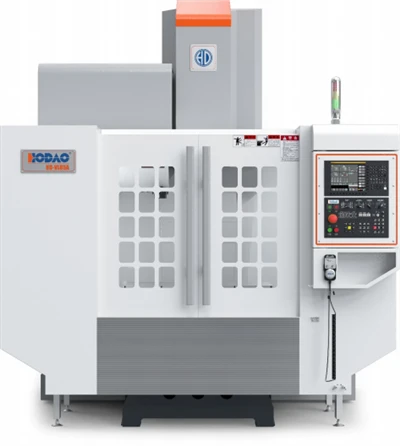
As a lathe supplier, I’ve seen firsthand the benefits of both types of lathes. I can help you choose the right lathe for your specific needs and budget. Whether you’re just starting out or you’re looking to upgrade your existing equipment, I’ve got you covered.
Vertical Machining Center If you’re interested in learning more about our lathes or if you want to discuss your requirements, don’t hesitate to get in touch. We’re here to answer your questions and help you find the perfect lathe for your workshop. Let’s start a conversation and see how we can work together to take your lathe work to the next level.
References
- "The Handbook of Lathe Operations" by Elmer A. Black.
- "Modern Lathe Practice" by C. W. Amos.
Taizhou Qiyang Trading Co., Ltd.
As one of the most professional lathe manufacturers and suppliers in China, we’re featured by quality products and good price. Please rest assured to buy bulk lathe for sale here and get quotation from our factory. Customized orders are welcome.
Address: Zhenhai Village, Binhai Town, Wenling City, Taizhou City, Zhejiang Province
E-mail: qycncmachine@outlook.com
WebSite: https://www.qycncmachine.com/
