How does the graphitized petroleum coke perform in electrochemical applications?
As a supplier of graphitized petroleum coke, I’ve witnessed firsthand the remarkable performance and potential of this material in electrochemical applications. In this blog post, I’ll delve into the unique properties of graphitized petroleum coke and how it excels in various electrochemical scenarios. Graphitized Petroleum Coke
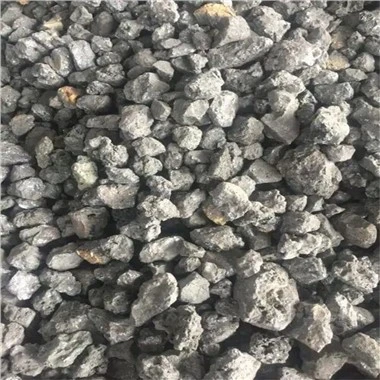
1. Understanding Graphitized Petroleum Coke
Graphitized petroleum coke is produced by heating high – sulfur petroleum coke to extremely high temperatures, typically above 2800°C. This graphitization process transforms the amorphous carbon structure of petroleum coke into a more ordered, graphite – like structure. The result is a material with enhanced electrical conductivity, high thermal stability, and excellent chemical resistance.
Electrical Conductivity
One of the most significant advantages of graphitized petroleum coke in electrochemical applications is its high electrical conductivity. The graphitized structure allows electrons to move freely through the material, reducing electrical resistance. This is crucial in applications such as battery electrodes, where efficient electron transfer is essential for high – performance energy storage. For example, in lithium – ion batteries, the anode material needs to be an excellent conductor to ensure fast charging and discharging rates. Graphitized petroleum coke meets this requirement, enabling batteries to deliver high power outputs.
Thermal Stability
Electrochemical processes often generate heat, and materials need to withstand high temperatures without significant degradation. Graphitized petroleum coke has excellent thermal stability due to its strong carbon – carbon bonds in the graphitic structure. It can maintain its structural integrity even at elevated temperatures, which is beneficial in applications like fuel cells and high – power batteries. In a fuel cell, where chemical reactions occur at relatively high temperatures, the thermal stability of graphitized petroleum coke ensures long – term performance and reliability.
Chemical Resistance
In electrochemical environments, materials are exposed to various chemical substances, including electrolytes. Graphitized petroleum coke is highly resistant to chemical corrosion, making it suitable for use in harsh chemical environments. It does not react easily with common electrolytes, which helps to extend the lifespan of electrochemical devices. For instance, in electrochemical capacitors, the electrodes need to be chemically stable to maintain their capacitance over multiple charge – discharge cycles. Graphitized petroleum coke provides this stability, ensuring the durability of the capacitors.
2. Applications in Lithium – Ion Batteries
Lithium – ion batteries are one of the most widespread electrochemical energy storage devices, powering everything from smartphones to electric vehicles. Graphitized petroleum coke plays a crucial role in the anode of lithium – ion batteries.
Anode Material
The anode in a lithium – ion battery is responsible for storing lithium ions during the charging process and releasing them during discharging. Graphitized petroleum coke provides a suitable host structure for lithium ions. The layered graphite structure allows lithium ions to intercalate (insert) between the carbon layers easily. This intercalation process is highly reversible, which is essential for the long – term cycling stability of the battery.
Performance Enhancement
Using graphitized petroleum coke in lithium – ion battery anodes can improve several performance parameters. Firstly, it increases the battery’s specific capacity, which means more energy can be stored in a given volume or mass of the battery. Secondly, it enhances the battery’s rate performance, allowing for faster charging and discharging. This is particularly important for applications such as electric vehicles, where quick charging is a desirable feature. Additionally, the chemical and thermal stability of graphitized petroleum coke improves the battery’s safety and lifespan, reducing the risk of thermal runaway and capacity fade over time.
3. Applications in Electrochemical Capacitors
Electrochemical capacitors, also known as supercapacitors, store energy through the adsorption of ions at the electrode – electrolyte interface. Graphitized petroleum coke is an ideal electrode material for electrochemical capacitors due to its high surface area and good electrical conductivity.
High – Surface – Area Electrodes
The high surface area of graphitized petroleum coke provides a large interface for ion adsorption. During the charging process, ions from the electrolyte are adsorbed onto the surface of the graphitized petroleum coke electrodes, storing electrical energy in the form of an electrochemical double – layer. When the capacitor is discharged, the ions are released back into the electrolyte. The larger the surface area, the more ions can be adsorbed, resulting in a higher capacitance.
Fast Charge – Discharge Rates
The excellent electrical conductivity of graphitized petroleum coke enables fast charge – discharge rates in electrochemical capacitors. Since electrons can move quickly through the material, the charging and discharging processes can occur rapidly. This makes electrochemical capacitors with graphitized petroleum coke electrodes suitable for applications that require high – power pulses, such as regenerative braking systems in vehicles and power backup systems.
4. Applications in Fuel Cells
Fuel cells are electrochemical devices that convert chemical energy directly into electrical energy. Graphitized petroleum coke can be used in fuel cells in several ways.
Gas Diffusion Layers
In a fuel cell, the gas diffusion layer (GDL) plays a crucial role in distributing reactant gases (such as hydrogen and oxygen) and removing by – products (such as water). Graphitized petroleum coke can be used to manufacture the GDL due to its high porosity and good electrical conductivity. The porous structure allows for efficient gas diffusion, while the electrical conductivity ensures the transfer of electrons generated during the electrochemical reaction.
Catalyst Supports
Graphitized petroleum coke can also serve as a catalyst support in fuel cells. Catalysts are used to accelerate the electrochemical reactions at the anode and cathode of the fuel cell. The high surface area and chemical stability of graphitized petroleum coke provide an ideal substrate for catalyst particles. The catalyst particles can be evenly dispersed on the surface of the graphitized petroleum coke, maximizing their catalytic activity and improving the overall efficiency of the fuel cell.
5. Quality and Consistency for Electrochemical Applications
As a supplier, I understand the importance of providing high – quality and consistent graphitized petroleum coke for electrochemical applications. We conduct strict quality control measures at every stage of the production process. From raw material selection to the final graphitization process, we ensure that our product meets the highest standards of purity, electrical conductivity, and structural integrity.
Purity
The purity of graphitized petroleum coke is critical in electrochemical applications. Impurities can affect the performance and stability of electrochemical devices. We use advanced purification techniques to remove impurities such as sulfur, nitrogen, and heavy metals from the raw petroleum coke before graphitization. This results in a high – purity product that is suitable for use in high – performance electrochemical applications.
Consistency
Consistency in product quality is essential for electrochemical manufacturers. We have a well – established production process and quality management system to ensure that each batch of graphitized petroleum coke has the same properties. This allows manufacturers to use our product with confidence, knowing that it will perform consistently in their electrochemical devices.
6. Looking Ahead
The demand for high – performance electrochemical devices is growing rapidly, driven by the increasing adoption of renewable energy sources, electric vehicles, and portable electronics. As a supplier of graphitized petroleum coke, I am excited about the future prospects of this material in electrochemical applications.
We are constantly investing in research and development to improve the properties of our graphitized petroleum coke. We aim to develop new products with even higher electrical conductivity, larger surface area, and better chemical stability to meet the evolving needs of the electrochemical industry.
7. Contact for Purchase and Collaboration
If you are involved in the electrochemical industry and are interested in using high – quality graphitized petroleum coke for your applications, we would be delighted to discuss your requirements. Our graphitized petroleum coke has been proven to perform excellently in various electrochemical scenarios, and we are confident that it can meet your specific needs. Please reach out to us to start a conversation about potential purchases and collaborations.
References
Ferro Molybdenum [1] Winter, M., & Brodd, R. J. (2004). What Are Batteries, Fuel Cells, and Supercapacitors?. Chemical Reviews, 104(10), 4245 – 4269.
[2] Conway, B. E. (1999). Electrochemical Supercapacitors: Scientific Fundamentals and Technological Applications. Kluwer Academic/Plenum Publishers.
[3] Larminie, J., & Dicks, A. (2003). Fuel Cell Systems Explained. Wiley.
ZhenAn International Co., Limited
ZhenAn International Co., Limited is one of the leading graphitized petroleum coke manufacturers and suppliers in China. We warmly welcome you to wholesale discount graphitized petroleum coke in stock here from our factory. All our products are with high quality and competitive price.
Address: Huafu Commercial Center, Wenfeng District, Anyang City, Henan Province, China
E-mail: info@zaferroalloy.com
WebSite: https://www.ferro-silicon-alloy.com/
