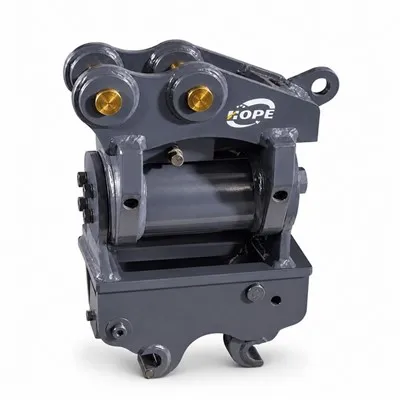
As a supplier of hydraulic clamps, I’ve been frequently asked about the hydraulic fluid used in these essential tools. Hydraulic fluid is the lifeblood of a hydraulic clamp, playing a crucial role in its operation, performance, and longevity. In this blog, I’ll delve into the details of hydraulic fluid, including its functions, types, and considerations for choosing the right one for your hydraulic clamp. Hydraulic Clamp
The Functions of Hydraulic Fluid in a Hydraulic Clamp
Hydraulic fluid serves several vital functions in a hydraulic clamp system. First and foremost, it transfers power. In a hydraulic system, pressure is applied to the fluid, which then transmits this force to the various components of the clamp, such as pistons and cylinders. This allows the clamp to generate the necessary force to hold workpieces securely in place during machining or other operations.
Secondly, hydraulic fluid lubricates the moving parts within the hydraulic clamp. The pistons, cylinders, and valves in a hydraulic system experience significant friction as they move. The fluid forms a thin film between these parts, reducing wear and tear and extending the lifespan of the clamp.
Another important function of hydraulic fluid is to dissipate heat. Hydraulic systems generate heat during operation, and if this heat is not effectively managed, it can lead to damage to the components. The fluid absorbs the heat and carries it away from the working parts, helping to maintain a stable operating temperature.
Finally, hydraulic fluid acts as a sealant. It helps to prevent leaks in the hydraulic system by filling the small gaps between the components, ensuring that the pressure is maintained and the system operates efficiently.
Types of Hydraulic Fluid
There are several types of hydraulic fluid available on the market, each with its own unique properties and characteristics. The choice of fluid depends on various factors, such as the operating conditions of the hydraulic clamp, the type of equipment it is used with, and the manufacturer’s recommendations.
Mineral Oil-Based Hydraulic Fluids
Mineral oil-based hydraulic fluids are the most commonly used type of hydraulic fluid. They are derived from crude oil and offer good lubrication properties, high thermal stability, and excellent anti-wear characteristics. These fluids are suitable for a wide range of applications and are relatively inexpensive. However, they are not biodegradable and can pose an environmental risk if leaked.
Synthetic Hydraulic Fluids
Synthetic hydraulic fluids are formulated using chemical compounds rather than natural oils. They offer superior performance compared to mineral oil-based fluids, especially in extreme operating conditions. Synthetic fluids have better viscosity stability over a wide temperature range, which means they can maintain their performance in both high and low temperatures. They also have excellent anti-oxidation and anti-wear properties, making them ideal for heavy-duty applications. However, synthetic fluids are generally more expensive than mineral oil-based fluids.
Biodegradable Hydraulic Fluids
Biodegradable hydraulic fluids are becoming increasingly popular due to their environmental friendliness. These fluids are made from renewable resources, such as vegetable oils or synthetic esters, and can break down naturally in the environment. They offer similar performance to mineral oil-based fluids and are suitable for applications where environmental considerations are important, such as in forestry, agriculture, and marine industries.
Fire-Resistant Hydraulic Fluids
Fire-resistant hydraulic fluids are designed to minimize the risk of fire in hydraulic systems. They are typically used in applications where there is a high risk of fire, such as in mining, steel mills, and aerospace industries. There are several types of fire-resistant hydraulic fluids, including water-glycol fluids, phosphate ester fluids, and synthetic hydrocarbon fluids. Each type has its own unique properties and characteristics, and the choice of fluid depends on the specific requirements of the application.
Considerations for Choosing the Right Hydraulic Fluid
When choosing the right hydraulic fluid for your hydraulic clamp, there are several factors to consider.
Viscosity
Viscosity is one of the most important properties of hydraulic fluid. It refers to the fluid’s resistance to flow and is measured in centistokes (cSt). The viscosity of the fluid affects the performance of the hydraulic system, as it determines how easily the fluid can flow through the components. If the viscosity is too high, the fluid may not flow freely, causing the system to operate sluggishly. On the other hand, if the viscosity is too low, the fluid may not provide adequate lubrication, leading to increased wear and tear on the components. The viscosity of the fluid should be selected based on the operating temperature of the hydraulic system.
Temperature Range
The operating temperature of the hydraulic system is another important factor to consider when choosing the right hydraulic fluid. Different fluids have different temperature ranges within which they can operate effectively. For example, some fluids are designed to operate in cold temperatures, while others are suitable for high-temperature applications. It is important to choose a fluid that can maintain its viscosity and performance over the entire temperature range of the hydraulic system.
Compatibility
The hydraulic fluid must be compatible with the materials used in the hydraulic system, including the seals, hoses, and valves. Incompatible fluids can cause damage to these components, leading to leaks and other problems. It is important to check the manufacturer’s recommendations for the hydraulic fluid that is compatible with your hydraulic clamp.
Additives
Many hydraulic fluids contain additives to enhance their performance. These additives can improve the fluid’s anti-wear, anti-oxidation, anti-foam, and anti-corrosion properties. The choice of additives depends on the specific requirements of the application. For example, if the hydraulic system is operating in a high-temperature environment, an additive that improves the fluid’s thermal stability may be required.
Maintenance of Hydraulic Fluid
Proper maintenance of the hydraulic fluid is essential to ensure the optimal performance and longevity of the hydraulic clamp. Here are some tips for maintaining the hydraulic fluid:
Regular Fluid Analysis
Regular fluid analysis is important to monitor the condition of the hydraulic fluid. This can help to detect any potential problems, such as contamination or degradation of the fluid, before they cause damage to the hydraulic system. Fluid analysis can also provide information about the wear and tear of the components, allowing for timely maintenance and replacement.
Filter Replacement
The hydraulic system is equipped with filters to remove contaminants from the fluid. These filters should be replaced regularly to ensure that the fluid remains clean and free of debris. Clogged filters can restrict the flow of the fluid, leading to reduced performance and increased wear on the components.
Fluid Change
Over time, the hydraulic fluid will degrade and lose its effectiveness. It is important to change the fluid at regular intervals to maintain the performance of the hydraulic system. The frequency of fluid change depends on the operating conditions of the hydraulic system, but it is generally recommended to change the fluid every 1,000 to 2,000 hours of operation.
Proper Storage
The hydraulic fluid should be stored in a clean, dry, and cool place to prevent contamination and degradation. It is important to use the correct storage containers and to keep the containers tightly sealed to prevent the entry of moisture and air.
Conclusion
Excavator Attachment Hydraulic fluid is an essential component of a hydraulic clamp system, playing a crucial role in its operation, performance, and longevity. By understanding the functions, types, and considerations for choosing the right hydraulic fluid, you can ensure that your hydraulic clamp operates efficiently and reliably. At our company, we offer a wide range of hydraulic clamps and hydraulic fluids to meet the needs of our customers. If you have any questions or need assistance in choosing the right hydraulic fluid for your hydraulic clamp, please don’t hesitate to contact us. We are here to help you make the best decision for your application.
References
- "Hydraulic Systems and Fluid Power: Theory and Applications" by Fred E. Shearer and John A. Murphy
- "Fluid Power Technology" by David C. White and Douglas L. Ruggles
- "Hydraulic Fluid Technology" by Robert O. Scardina
Hope Precision Machinery Co., Ltd.
As one of the most professional hydraulic clamp manufacturers and suppliers in China, we also support customized service. Please feel free to buy high quality hydraulic clamp for sale here from our factory. For more information, contact us now.
Address: No.8 Shenzhen Street, Development Zone, Yantai,Shandong ,China
E-mail: lulu@hope-breaker.com
WebSite: https://www.hopeequip.com/
