Hey there! I’m a supplier of hose clamps, and I often get asked about how to select the right hose clamp for a specific temperature range. It’s a crucial question because using the wrong clamp in the wrong temperature conditions can lead to all sorts of problems, from leaks to complete failure of the hose system. So, let’s dive into it and figure out how to make the best choice. Hose Clamp
Understanding Temperature Requirements
First things first, you’ve got to know the temperature range your hose clamp will be operating in. This isn’t just about the average temperature; you need to consider the extreme temperatures as well. For example, in an automotive engine, the temperature can vary widely. During normal operation, it might be around 190 – 220°F (88 – 104°C), but under heavy load or in hot weather, it could spike much higher. On the other hand, in a refrigeration system, the temperature can be well below freezing.
Material Matters
The material of the hose clamp plays a huge role in its ability to handle different temperatures. Here are some common materials and their temperature capabilities:
Stainless Steel
Stainless steel is a popular choice for hose clamps. It’s corrosion-resistant and can handle a wide range of temperatures. Most stainless steel clamps can withstand temperatures from -40°F (-40°C) to around 800°F (427°C). This makes them suitable for many applications, including automotive, industrial, and even some food and beverage systems.
Carbon Steel
Carbon steel clamps are more affordable, but they’re not as corrosion-resistant as stainless steel. They can handle temperatures from -20°F (-29°C) to about 400°F (204°C). However, in high-humidity or corrosive environments, they may rust over time, which can affect their performance.
Plastic
Plastic clamps are lightweight and inexpensive. They’re often used in low-pressure and low-temperature applications. Most plastic clamps can handle temperatures from 32°F (0°C) to around 180°F (82°C). But they’re not suitable for high-temperature or high-pressure situations as they can melt or deform.
Types of Hose Clamps and Temperature Resistance
There are several types of hose clamps, and each has its own temperature limitations.
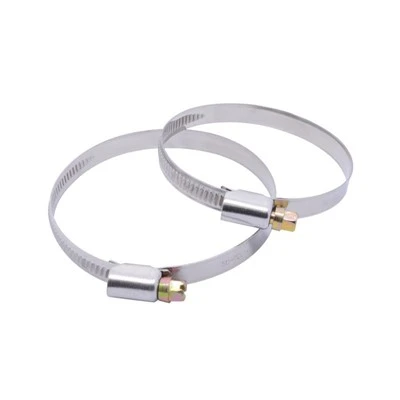
Worm Gear Clamps
Worm gear clamps are the most common type. They’re easy to install and can be adjusted to fit different hose sizes. They’re made from various materials, including stainless steel and carbon steel. Stainless steel worm gear clamps can handle high temperatures, while carbon steel ones are better suited for moderate temperatures.
Spring Clamps
Spring clamps are quick to install and remove. They’re typically made from stainless steel or carbon steel. They can handle a similar temperature range as worm gear clamps, depending on the material.
T-Bolt Clamps
T-bolt clamps are designed for high-pressure and high-temperature applications. They’re often used in automotive and industrial systems. They’re usually made from stainless steel and can handle temperatures up to 800°F (427°C).
Considering the Application
The application of the hose clamp also affects the temperature requirements. Here are some common applications and the temperature considerations for each:
Automotive
In automotive applications, hose clamps are used in the cooling system, fuel system, and intake system. The cooling system can reach high temperatures, especially in high-performance engines. You’ll need a clamp that can handle these high temperatures, such as a stainless steel worm gear or T-bolt clamp.
Industrial
Industrial applications can vary widely in temperature. In a chemical plant, for example, the temperature can be very high or very low, depending on the process. You’ll need to choose a clamp that can withstand the specific temperature range of the application. Stainless steel clamps are often a good choice for industrial applications.
Food and Beverage
In the food and beverage industry, temperature control is crucial to ensure product quality and safety. Hose clamps used in this industry need to be able to handle the temperature requirements of the process, which can range from cold storage to hot processing. Stainless steel or plastic clamps that meet food safety standards are typically used.
Tips for Selecting the Right Hose Clamp
Here are some tips to help you select the right hose clamp for your specific temperature range:
- Check the manufacturer’s specifications: Always check the manufacturer’s specifications for the temperature range of the clamp. This will give you a clear idea of what the clamp can handle.
- Consider the environment: In addition to the temperature, consider the environment in which the clamp will be used. If it’s a corrosive environment, you’ll need a clamp that’s corrosion-resistant, such as a stainless steel clamp.
- Test the clamp: If possible, test the clamp in the actual application before using it. This will help you ensure that it can handle the temperature and other conditions.
Conclusion
Pipe Clamp Selecting the right hose clamp for a specific temperature range is crucial for the performance and reliability of your hose system. By understanding the temperature requirements, choosing the right material and type of clamp, and considering the application, you can make an informed decision. If you have any questions or need help selecting the right hose clamp for your needs, don’t hesitate to contact me. I’m here to help you find the best solution for your application.
References
- "Hose Clamp Handbook" by [Author’s Name]
- "Materials Science for Engineers" by [Author’s Name]
- "Automotive Engineering Handbook" by [Author’s Name]
Dongtai Chuanqianzhou Stainless Steel Products Co., Ltd.
As one of the most professional hose clamp manufacturers and suppliers in China, we also support customized service. Welcome to buy durable hose clamp made in China here and get pricelist from our factory. For price consultation, contact us.
Address: No. 168 Huinan Throat Hoop, North of Fengshou River Bridge, Shiyan Town, Dongtai City, Yancheng City, Jiangsu Province
E-mail: gu19910218@163.com
WebSite: https://www.hnanclamp.com/
