If you’ve ever been to a trade show, a local band’s gig, or even a high school spirit night, you’ve probably seen a hoodie, tee, or tote with a custom graphic that looks crisp, long-lasting, and way better than the cheap iron-ons you can grab at a big box store. And chances are, that graphic didn’t come from a machine that just pressed a design onto fabric—It came from an apparel printer, and no, it’s not the same as the inkjet printer you use for your kid’s school worksheets. Apparel Printer
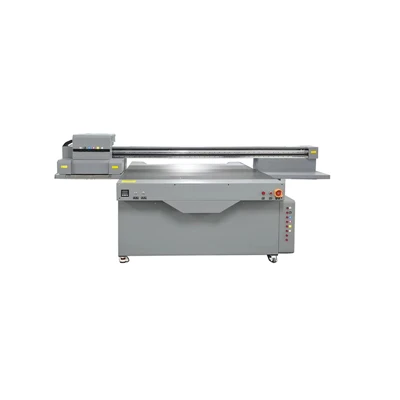
I’ve been supplying these printers for over 10 years now, and I still get questions all the time from new clients: “How does this thing actually work? Is it magic? Can it print on every fabric?” Today, I’m breaking it down for anyone who’s curious—no overly techy jargon, just the real deal from someone who’s spent way too many hours troubleshooting these machines in garages and commercial shops.
First, let’s get one thing straight: The apparel printers we supply aren’t the old vinyl cut-and-paste jobs, and they’re not just your standard inkjet either. We specialize in two main types that most small to medium apparel businesses use, and I’m gonna walk through both, starting with the one that’s blowing up right now: Direct-to-Garment, or DTG for short. It’s the go-to for custom, small-batch runs—like that order of 25 tees for a local coffee shop, where you can’t justify big upfront costs.
Here’s how DTG works, step by step. First, you don’t just load a blank tee and hit print—there’s prep work, and skip that and you’ll end up with a spotty graphic that cracks after two washes. The first big trick is pre-treatment. White tees work way better with this, but you can do it on dark ones too. What’s pre-treatment? It’s a watery, sticky blend that the machine sprays in a super thin, even layer right where the graphic’s gonna go. Think of it like a primer for your wall before you paint a mural—without it, the ink would just sink into the fabric and look dull, or even flake off. The machine does this automatically, but you have to make sure the tee’s stretched tight and flat on the platen (that’s the flat plate the garment sits on) so the pre-treatment is even. If there’s a wrinkle, you’ll get a gap in the graphic.
Next, the printing part. The DTG printer’s print head (the part that spits ink) is basically a tiny version of the head in your home printer, but it’s built for fabric, not paper. It doesn’t lay down big blobs of ink— it sprays thousands of tiny, pinpoint droplets, like 3 picoliters each, right onto the pre-treated fabric. The cool thing here is that it prints full-color graphics in one pass, no separating colors like you did back in the screen printing days. That means you can do a photo, a gradient, or even a tiny text change on each tee without redoing the whole setup. For dark garments, the machine will print a layer of white ink first, then the color ink on top— that’s why a black hoodie can have a bright logo and not look washed out.
After printing, you can’t just wear the tee right away. The ink’s still wet, so you need to cure it. That means using a heat press or a conveyor dryer to bake the ink into the fabric fibers. Usually 160 to 180 degrees Celsius for like 45 seconds, depending on the fabric. Skip the cure, and the ink will rub off on your hands or in the wash. I’ve seen so many new shop owners skip this step once, and then they’re left with a pile of ruined tees— lesson learned.
Now, the other big type of apparel printer we supply is Direct-to-Film, or DTF. If you haven’t heard of DTF, it’s been taking over the industry the last 5 years, and for good reason. It’s way more versatile than DTG, especially for dark fabrics, thick hoodies, or even things like tote bags, hats, or leggings that DTG can’t handle super well. Let’s break down DTF too, since it’s become a favorite for a lot of our clients.
DTF works backwards, in a way. Instead of printing directly on the garment, you print the graphic onto a thin, flexible film first. That’s the “direct-to-film” part. The machine prints the full-color design on this film, and right after it prints, it dusts a special hot-melt adhesive powder over the wet ink. The excess powder gets blown off, leaving only the powder on the ink lines. Then, you let that film dry for a minute, and now you have a “transfer” of your design, not a graphic yet.
The last step is pressing that film onto the garment. You lay the film ink-side down on the fabric, run a heat press over it at like 150 degrees Celsius for 10 to 15 seconds, and peel the film off. The adhesive melts and sticks the ink to the fabric, and boom— your design is there. The nice thing about DTF is it’s super flexible: the design stretches with the fabric, so a hoodie graphic won’t crack when someone moves their arms. It also works on dark tees, jeans, even nylon jackets— stuff DTG struggles with. No pre-treatment needed, which is a big win for shops that don’t want to mess with that messy step.
Now, a lot of people ask me: “Which one’s better?” It depends on your business. If you’re doing small runs (1 to 50 pieces) and mostly light tees, DTG is fast and no setup costs. If you’re doing dark fabrics, bigger runs, or blending on different items, DTF is way more versatile. That’s why we usually tell new clients to figure out what their main products are first, because buying the wrong printer can set you back a ton of money.
Wait, let’s clear up a common myth: Apparel printers aren’t just for tees. We supply printers that can handle everything— from baseball caps (you just get a cap platen, not a flat one) to sweatpants, even small leather goods. I had a client last year who printed custom logos on dog bandanas with his DTF printer— crazy stuff, but it works.
Now, what about the stuff that makes these printers work well, the parts you don’t see? The inks are a huge deal. For DTG, we only use water-based inks, not the old oil-based ones that smelled bad and were bad for your lungs. Those water-based inks are gentler on fabric, so the graphic stays soft, not crunchy like a vinyl print. For DTF, the inks are also water-based, but they’re formulated to stick to that film and melt with the adhesive. Cheap inks lead to clogs in the print head, which is the number one reason people have issues with their printers. That’s why we only supply inks that are tested to work with the machines we sell— no generic off-brand stuff that will break your head in a month.
And let’s talk maintenance, because that’s something a lot of new owners skip, and then wonder why their printer is acting up. Apparel printers need regular cleaning, especially the print heads. DTG print heads can get clogged with dried ink if you leave them sitting for a few days, so you have to run the cleaning cycle every time you’re done using it, even if it’s just for a day. For DTF, the powder gets everywhere, so you have to wipe down the machine weekly to keep it from getting into the gears. I always tell clients: spend 10 minutes a week on maintenance, and your printer will last 5 years easy. Skip it, and you’ll be replacing a $500 part a few months in.
Now, why do we supply these printers? Back when I started, most shops had to do screen printing, which required big screens, big setups, and minimum runs of 50 or 100 tees. If you had an order for 10 tees, you were basically losing money. These apparel printers changed that— now a one-off custom tee is totally doable, and small shops can compete with the big guys. That’s what gets me up in the morning, watching a small business owner with a new DTF printer go from “what if” to “I just got my first big order for 500 hoodies.”
I’ve seen a lot of people try to go the cheap route, buying knockoff printers from random sites. Don’t do it. Those printers usually have cheap print heads that break all the time, and you can’t get parts when something goes wrong. We supply name-brand machines, and we offer support 7 days a week— if your print head clogs at 9 PM on a Friday, you can shoot us an email and we’ll walk you through fixing it. No waiting for tech support that’s closed for the weekend.
If you’re thinking about getting into the custom apparel business, or you’re a shop owner looking to upgrade your setup, don’t overcomplicate it. Start by figuring out what you’re gonna print most. If it’s mostly light tees for local events, DTG is fast and simple. If you’re mixing dark fabrics, hats, and other items, DTF is the way to go. And if you’re not sure, just reach out— I’m not gonna push the most expensive printer on you, I’m gonna tell you what’ll work for your needs.
At the end of the day, an apparel printer isn’t some fancy box that prints magic. It’s a tool that lets small businesses make custom stuff without the big costs and setups of old methods. Whether it’s a band printing 100 hoodies for their tour, a school printing spirit tees, or a café printing custom merch, these printers make it all possible.
If you’re ready to talk about what setup makes sense for you, send over a message and let’s chat— no sales pitch, just real info about what’ll work for your business.
UV Printer References:
- Textile Printer Manufacturers Association. (2023). Direct-to-Garment and Direct-to-Film Printing: Industry Best Practices for Small Businesses.
- Apparel Manufacturing Tech Guide. (2022). How Digital Printing Reduces Waste in Custom Apparel Production.
- International Textile and Apparel Association. (2021). Comparative Analysis of DTG vs. DTF Printing for Custom Garments.
- Smith, J. (2020). The Small Business Owner’s Handbook to Digital Apparel Printing.
Shenzhen Guangyin United Technology Co., Ltd.
With abundant experience, we are one of the most professional apparel printer manufacturers in China. If you’re going to buy high quality apparel printer made in China, welcome to get quotation from our factory. For price consultation, contact us.
Address: 2nd Floor, Building 7, No.3, Liulian Community, Pingdi Subdistrict, Longgang District, Shenzhen, China
E-mail: guangyinlianhe@gmail.com
WebSite: https://www.chinauvprinter.com/
