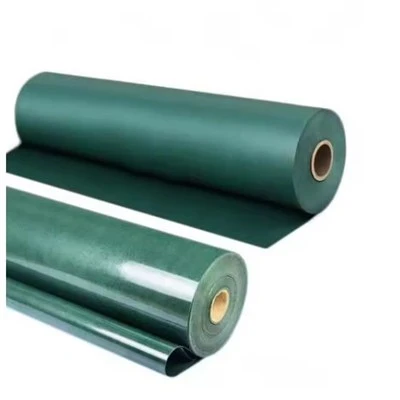
As an insulating film supplier, I’ve seen firsthand how the price of insulating film can vary significantly based on quality. In this blog, I’ll break down the factors that influence these price differences and why it matters to you. Insulating Film
Understanding Insulation Quality
First off, let’s talk about what we mean by "quality" in the world of insulating films. High – quality insulating films have better insulation properties, which means they’re more effective at reducing heat transfer. This can lead to big savings on energy bills, especially in commercial buildings or homes with large windows.
There are several key indicators of insulation quality. One of the most important is the Solar Heat Gain Coefficient (SHGC). A lower SHGC means the film allows less solar heat to enter the building. Premium films often have a very low SHGC, which is great for keeping interiors cool in the summer. Another important factor is Visible Light Transmittance (VLT). This measures how much visible light passes through the film. Some high – quality films can balance good insulation with high VLT, so you don’t sacrifice natural light.
How Quality Affects Price
Material Composition
The materials used in insulating films play a huge role in determining the price. Cheaper films are often made with basic plastics that have limited insulation capabilities. These might offer some minor heat reduction, but they won’t be as effective as more advanced films.
On the other hand, high – quality films use advanced materials like metallized layers or ceramic particles. Metallized films reflect a significant amount of solar radiation, helping to keep the interior cooler. The manufacturing process for these films is more complex and expensive, which is why they cost more. For example, a simple polyethylene – based insulating film might cost a few dollars per square foot, while a high – end metallized film could cost upwards of $15 per square foot.
Durability
Durability is another major factor. Low – quality films are more likely to scratch, fade, or peel over time. This means they’ll need to be replaced more frequently, which can end up costing you more in the long run.
High – quality insulating films are designed to last. They’re resistant to UV rays, which can cause fading, and are tough enough to withstand normal wear and tear. For instance, a cheap film might start to show signs of deterioration within a year or two, while a top – of – the – line film could last 10 years or more. The upfront cost of a durable film is higher, but when you factor in its long – term lifespan, it can be a more cost – effective choice.
Performance Guarantees
Reputable suppliers of high – quality insulating films often offer performance guarantees. These guarantees give you peace of mind that the film will perform as advertised. If it doesn’t, you can usually get a replacement or a refund.
When you buy a low – cost film, there’s a good chance the supplier won’t offer any such guarantees. This lack of assurance comes with the lower price tag. But if the film doesn’t work as expected, you’re left with a non – functioning product and no way to get your money back.
The Cost – Benefit Analysis
Now, let’s talk about the cost – benefit analysis. When you’re deciding which insulating film to buy, it’s important to think about more than just the upfront cost.
Let’s say you’re a business owner looking to insulate your office building. A low – quality film might cost you $5000 to install, while a high – quality film could cost $15000. At first glance, the cheaper option seems like a no – brainer. But when you consider the long – term savings, the picture changes.
The high – quality film, with its better insulation properties, could reduce your energy bills by 30% or more. Over the course of a year, this could save you thousands of dollars. And because it’s more durable, you won’t have to replace it as often. So, even though the initial investment is higher, you’ll end up saving money in the long run.
Industry Trends and Market Variations
The market for insulating films is constantly evolving. New technologies are emerging all the time, which can impact both quality and price.
In recent years, there’s been a growing demand for more environmentally – friendly insulating films. These films are often made with sustainable materials and have a lower carbon footprint. As a result, they might be priced a bit higher than traditional films. But as more suppliers start to produce these eco – friendly options, the prices are likely to become more competitive.
Another trend is the increasing popularity of smart insulating films. These films can adjust their properties based on environmental conditions. For example, they can darken in response to bright sunlight to reduce heat gain. These advanced films are currently at the high end of the price range, but as the technology matures, we can expect to see more affordable options.
Making the Right Choice for Your Needs
So, how do you decide which insulating film is right for you? It really depends on your specific situation and budget.
If you’re on a tight budget and just need a basic level of insulation, a lower – quality film might be sufficient. It can still provide some savings on energy costs and is better than having no insulation at all.

However, if you’re looking for long – term savings and maximum performance, investing in a high – quality film is the way to go. You’ll enjoy better insulation, greater durability, and the peace of mind that comes with a performance guarantee.
Let’s Get in Touch
Carbon Fiber Flexibility If you’re still not sure which insulating film is right for you, or you want to learn more about our products, don’t hesitate to reach out. We’re always happy to answer your questions and help you find the perfect solution for your insulation needs. Whether you’re a homeowner looking to reduce your energy bills or a business owner aiming to improve the comfort of your workspace, we’ve got the expertise and products to meet your requirements. Contact us and let’s start a conversation about how we can make your insulation project a success.
References
- American Society of Heating, Refrigerating and Air – Conditioning Engineers (ASHRAE). Handbook of Fundamentals.
- International Window Film Association (IWFA). Technical Guidelines for Window Films.
- National Renewable Energy Laboratory (NREL). Research on Energy – Efficient Building Envelopes.
Wenzhou Gisen Insulation Material Co., Ltd.
As one of the most professional insulating film manufacturers and suppliers in China, we’re featured by quality products and good service. Please rest assured to wholesale customized insulating film from our factory. Contact us for quotation and free sample.
Address: Diyan Industrial Zone, Wengyang Subdistrict, Yueqing City, Zhejiang Province
E-mail: gisen888@126.com
WebSite: https://www.giseninsulation.com/
