In the realm of alternative medicine, dry needling and acupuncture therapy are two techniques that often draw comparisons. As a supplier of acupuncture therapy services and products, I have witnessed the increasing interest in both methods, along with a fair amount of confusion about their differences. In this blog post, I aim to shed light on the distinctions between dry needling and acupuncture therapy, providing a clear understanding of each approach. Acupuncture Therapy
Origins and Theoretical Foundations
Acupuncture therapy has a long – standing history that traces back over 2,500 years to ancient China. It is deeply rooted in traditional Chinese medicine (TCM) theory, which posits that the body has a vital energy called "Qi" (pronounced "chee") that flows through a network of channels known as meridians. Illness and pain are believed to result from imbalances or blockages in the flow of Qi. Acupuncture involves the insertion of fine needles into specific points along these meridians to restore the proper flow of Qi, thereby promoting health and alleviating symptoms.
On the other hand, dry needling is a relatively new technique that emerged from Western medical science, particularly from the field of physical therapy. It is based on modern anatomical and physiological knowledge, specifically the understanding of trigger points in muscles. Trigger points are hyper – irritable spots within a taut band of skeletal muscle. These points can cause pain, restricted range of motion, and muscle weakness. Dry needling targets these trigger points to release the muscle tension and relieve pain.
Needle Insertion Points
One of the most significant differences between dry needling and acupuncture therapy lies in the selection of needle insertion points.
In acupuncture, the selection of points is guided by the principles of TCM. Practitioners consider the patient’s overall pattern of disharmony, including symptoms, signs, and the state of their Qi. There are a total of 361 primary acupuncture points along the 12 main meridians and 8 extraordinary meridians. These points are distributed throughout the body, from the head to the feet, and are used in various combinations to address different health conditions. For example, to treat headaches, an acupuncturist might select points on the hands, feet, and head based on the theory of meridian pathways.
In dry needling, the focus is solely on the identification and treatment of trigger points. A physical therapist or other trained professional locates these tender knots in the muscle using palpation and an understanding of the muscle’s anatomy. The needles are then inserted directly into the trigger points. The location of these points can vary depending on the muscle group affected and the source of pain. For instance, if a patient has shoulder pain due to a trigger point in the infraspinatus muscle, the needle will be inserted precisely into that specific point within the muscle.
Treatment Goals
The treatment goals of dry needling and acupuncture therapy also differ to some extent.
Acupuncture aims to achieve a holistic balance in the body. It is used to treat a wide range of conditions, including not only physical pain but also emotional and mental health issues. By restoring the flow of Qi, acupuncture can help improve digestion, enhance sleep quality, reduce stress and anxiety, and boost the immune system. For example, in cases of insomnia, acupuncture may be used to regulate the body’s internal clock and promote a more restful sleep by addressing imbalances in the heart and liver meridians according to TCM theory.
Dry needling, in contrast, has a more targeted approach. Its primary goal is to relieve pain and improve muscle function. By releasing trigger points, it can reduce muscle tightness, increase blood flow to the affected area, and restore normal muscle length and strength. This makes it particularly effective for treating musculoskeletal conditions such as low back pain, neck pain, and sports injuries. For example, in a patient with a hamstring strain, dry needling can be used to break up the trigger points in the hamstring muscle, facilitating a faster recovery and reducing pain.
Training and Professional Regulation
The training requirements and professional regulation for dry needling and acupuncture therapy also vary significantly.
To practice acupuncture, one typically needs to complete a comprehensive training program at an accredited acupuncture college. These programs usually involve several years of study, including courses in TCM theory, acupuncture point location, needling techniques, and patient diagnosis. In addition to theoretical knowledge, students gain extensive hands – on experience through clinical internships. After graduation, acupuncturists are often required to obtain a license to practice, which involves passing a licensing exam. This ensures that they have the necessary skills and knowledge to provide safe and effective acupuncture treatment.
Dry needling, on the other hand, is often learned as an additional skill by physical therapists, chiropractors, and other healthcare professionals. Many of these professionals undergo a shorter training course, usually ranging from a few days to several weeks, specifically focused on dry needling techniques and trigger point identification. The regulation of dry needling varies by region. In some areas, it is considered within the scope of practice of certain healthcare professionals, while in others, there may be more specific regulations or requirements.
Needle Characteristics and Insertion Techniques
Although both dry needling and acupuncture involve the use of needles, there are differences in the needle characteristics and insertion techniques.
Acupuncture needles are typically made of stainless steel and are very thin, ranging in diameter from 0.12 to 0.36 mm. They are designed to be flexible to minimize patient discomfort during insertion. The insertion of acupuncture needles is a gentle process. Acupuncturists use a variety of techniques, such as twirling, lifting, and thrusting the needles to stimulate the Qi at the selected points. The needles are usually left in place for 15 – 30 minutes, during which the patient may experience various sensations, including numbness, tingling, or a dull ache, known as "de qi," which is considered a sign of the treatment’s effectiveness.
Dry needling uses similar thin needles, but the insertion technique is more focused on directly hitting the trigger point. The therapist may use a more rapid insertion method to penetrate the muscle and reach the trigger point. Once the needle is in place, the therapist may perform various maneuvers, such as rapid in – and – out movements or sustained pressure, to cause a local twitch response in the muscle, which is thought to be an indicator of the trigger point release. The needles are generally left in place for a shorter period, usually 5 – 10 minutes.
Evidence – Based Research
In recent years, there has been an increasing amount of research on both dry needling and acupuncture therapy.
Acupuncture has a large body of research supporting its effectiveness for various conditions. Numerous clinical trials have shown that acupuncture can be effective in treating pain, including chronic low back pain, migraines, and osteoarthritis. It has also been studied for its effects on nausea and vomiting, anxiety, and depression. The mechanisms behind acupuncture’s effects are still being explored but are thought to involve the release of neurotransmitters, such as endorphins and serotonin, and the modulation of the body’s immune and endocrine systems.
Dry needling is also gaining more recognition in the medical community. Research has demonstrated its effectiveness in reducing pain and improving muscle function in patients with musculoskeletal disorders. For example, a number of studies have shown that dry needling can significantly reduce pain and disability in patients with lateral epicondylitis (tennis elbow). The research on dry needling focuses mainly on its physiological effects, such as the relaxation of muscle fibers and the improvement of blood circulation in the affected area.
Which One is Right for You?
The choice between dry needling and acupuncture therapy depends on several factors. If you are dealing with a specific musculoskeletal problem, such as a muscle strain or a trigger point – related pain, dry needling may be a good option. It offers a targeted approach to releasing muscle tension and relieving pain.
On the other hand, if you are looking for a more holistic approach to health and have a variety of symptoms, including emotional or systemic issues, acupuncture may be more suitable. Acupuncture can address the underlying imbalances in the body and promote overall well – being.
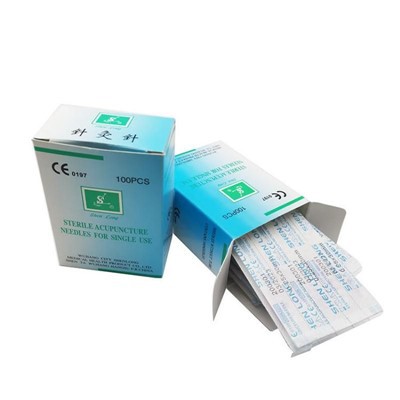
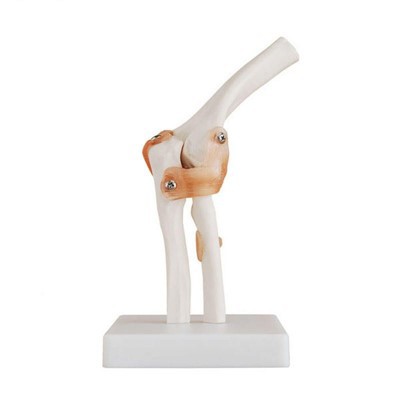
As a supplier of acupuncture therapy services and products, we are well – versed in the principles and techniques of acupuncture. Our team of experienced acupuncturists can provide personalized treatment plans based on your unique needs. We also offer a range of high – quality acupuncture products, including needles, moxibustion materials, and acupuncture point models, to support practitioners in their work.
Acupuncture If you are interested in learning more about our acupuncture therapy services or purchasing our products, we invite you to contact us for a detailed discussion. We are committed to providing you with the best solution for your health and wellness needs.
References
- Baker, K. C., & Harris, H. S. (2016). Dry needling of myofascial trigger points. Physical Medicine and Rehabilitation Clinics, 27(4), 701 – 713.
- Ezzo, J., Hadhazy, V. A., Birch, S., & Vickers, A. (2006). Acupuncture for chronic pain: update of an individual patient data meta – analysis. Pain, 121(1 – 2), 113 – 123.
- Hong, C. – Z. (1994). Lidocaine injection versus dry needling to myofascial trigger point. The importance of the local twitch response. American Journal of Physical Medicine & Rehabilitation, 73(2), 256 – 263.
- MacPherson, H., Jones, A., & Clifford, P. (2008). Acupuncture: the evidence. Radcliffe Publishing.
Rightbest Medical Device Limited
We’re well-known as one of the leading acupuncture therapy manufacturers and suppliers in China, specialized in providing high quality customized products. We warmly welcome you to wholesale durable acupuncture therapy in stock here from our factory.
Address: 6F,No.303 Pingshui Road,Hangzhou,China
E-mail: info@cuppinghealth.com
WebSite: https://www.cuppinghealth.com/
