Hey there! I’m a supplier of SF6 analyzers, and I often get asked this question: Can an SF6 analyzer detect other gases? Well, let’s dive right into it. SF6 Analyzer
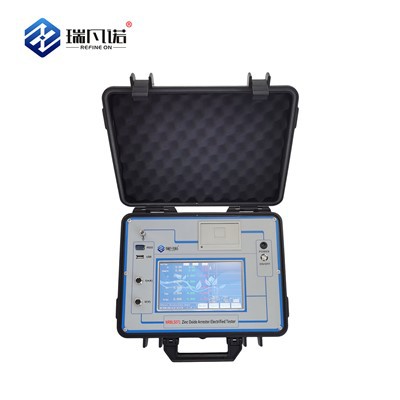
First off, let’s talk a bit about what an SF6 analyzer is. SF6, or sulfur hexafluoride, is a gas that’s widely used in electrical equipment like circuit breakers and switchgear because of its excellent insulating and arc – quenching properties. An SF6 analyzer is a device designed to measure the concentration of SF6 gas in the environment. It’s super important for ensuring the safety and proper functioning of electrical systems, as any leakage of SF6 can be a big deal due to its high global warming potential.
Now, back to the question. The short answer is, it depends. Most SF6 analyzers are primarily designed to detect SF6, but some of them can also detect other gases. The ability to detect other gases mainly depends on the technology used in the analyzer.
One common technology used in SF6 analyzers is infrared absorption. This technology works based on the principle that different gases absorb infrared light at specific wavelengths. SF6 has a unique absorption spectrum in the infrared range, and the analyzer is calibrated to detect the absorption corresponding to SF6. However, some other gases may also have absorption bands in the same or similar regions of the infrared spectrum. For example, certain hydrocarbons like methane (CH4) and some fluorinated gases can sometimes interfere with the SF6 measurement.
In some cases, an infrared – based SF6 analyzer might give a false positive reading if there are significant amounts of these interfering gases present. But on the flip side, some advanced infrared SF6 analyzers are designed with filters and algorithms to minimize these interferences. And in some situations, if the concentrations of these other gases are high enough, the analyzer can actually detect them as well.
Another technology is the electrochemical sensor. Electrochemical sensors work by measuring the current generated when a gas reacts with an electrode in an electrolyte. SF6 is a very stable gas and doesn’t react easily with most electrochemical sensors. However, there are other gases that can react with these sensors. For instance, oxygen (O2), carbon monoxide (CO), and hydrogen sulfide (H2S) are commonly detected using electrochemical sensors. So, if an SF6 analyzer is equipped with additional electrochemical sensors, it can definitely detect these gases.
Let’s take a look at some real – world scenarios. In a power substation, there might be other gases present along with SF6. For example, during the normal operation of electrical equipment, there could be some decomposition products of the insulating materials. These decomposition products can include gases like carbon dioxide (CO2), carbon monoxide (CO), and sulfur dioxide (SO2). If an SF6 analyzer is capable of detecting these gases, it can provide a more comprehensive picture of the condition of the electrical equipment.
Say there’s a small fault in a circuit breaker. The heat generated from the fault can cause the decomposition of the insulating oil or other materials, releasing gases like CO and SO2. If an SF6 analyzer can detect these gases, it can act as an early warning system. By detecting the presence of these decomposition products, operators can identify potential problems before they turn into major failures.
But here’s the thing. Just because an SF6 analyzer can detect other gases doesn’t mean it’s as accurate as a dedicated gas detector for those specific gases. For example, if you’re really interested in accurately measuring the concentration of CO in an environment, a dedicated CO detector would be more precise than an SF6 analyzer that can also detect CO.
Now, when it comes to choosing an SF6 analyzer that can detect other gases, there are a few factors to consider. First, think about the types of gases you expect to encounter in your application. If you’re working in a power plant where there’s a possibility of CO and SO2 being present due to equipment faults, you’ll want an analyzer that can detect these gases.
Second, consider the accuracy requirements. If you need highly accurate measurements of other gases, you might need to look for an analyzer with more advanced sensors and calibration. And don’t forget about the cost. Analyzers that can detect multiple gases are usually more expensive than those that only detect SF6.
At our company, we offer a range of SF6 analyzers. Some of our models are designed to be highly specialized in detecting only SF6, while others are more versatile and can detect other gases as well. Our multi – gas analyzers are equipped with different types of sensors, including infrared and electrochemical sensors, to provide a broader detection capability.
If you’re in the market for an SF6 analyzer, whether you need one that can detect just SF6 or one that can also detect other gases, we’re here to help. We can provide you with detailed information about the features and capabilities of our products. Our team of experts can also assist you in choosing the right analyzer for your specific needs.

So, if you’re interested in learning more about our SF6 analyzers or have any questions about gas detection, don’t hesitate to reach out. We’d love to have a chat with you and discuss how our products can meet your requirements. Whether you’re a power utility company, an electrical equipment manufacturer, or an industrial facility, we’ve got the solutions for you.
SF6 Analyzer References:
- "Gas Detection Handbook" – A comprehensive guide on gas detection technologies and applications.
- Research papers on the decomposition products of electrical insulating materials in power systems.
Refine On (Hebei) Electric Power Technology Co., Ltd.
Refine On (Hebei) Electric Power Technology Co., Ltd. is one of the most reliable sf6 analyzer manufacturers and suppliers in China, also supports customized service. Please feel free to wholesale advanced sf6 analyzer at competitive price from our factory. Contact us for quotation.
Address: Building 13, Liandong U Valley, No.64, Jing SAN South Street, Economic Development Zone, Mancheng District, Baoding City, China
E-mail: victor@transformer-test.com
WebSite: https://www.transformer-test.com/
