If you’ve ever walked a bustling construction site, chances are you’ve noticed piles of paper towels, plastic bags, and single-use masks littering the edges, or crew members grabbing roll after roll of thick fabric rags to wipe grease from tools or clean up concrete spills. For years, construction teams have relied on disposable products designed for other industries—healthcare, food service, janitorial work—because they were easy to grab and didn’t require laundering. But as a non woven disposables supplier, I get asked this question all the time: Can non woven disposables actually work for the demands of a construction site, or are they just another short-lived, inefficient add-on? Non Woven Disposables
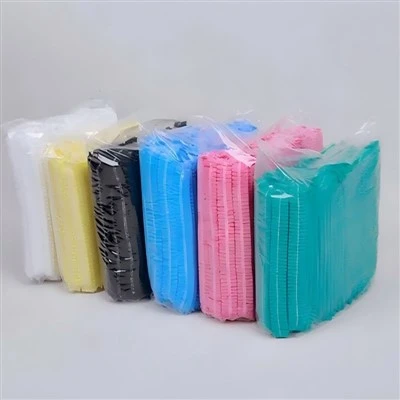
Let’s start with what non woven fabric is, in plain, construction-friendly terms. Unlike woven fabric that’s stitched together yarn by yarn, non woven is made by bonding fibers—polypropylene, polyester, or even recycled cellulose—using heat, pressure, or adhesive. The result is a flexible, durable material that’s more tear-resistant than regular paper, more absorbent than thin woven rags, and customizable to handle the specific messes construction sites throw at you. But here’s the thing: not all non woven is created equal. The non woven products that work for a clinic’s exam room won’t hold up to concrete slurry, harsh chemicals, or the constant rough handling a carpenter or plumber deals with on a 10-hour shift. That’s why, over the last five years, I’ve worked directly with site superintendents and trade workers to adapt non woven disposables to construction’s exact needs, and the results have changed a lot of minds.
First, let’s talk about the tasks where non woven is already proving itself, and where it’s a clear upgrade over the old standbys. One of the biggest pain points on any site is cleaning up concrete and mortar. Traditional cotton rags are cheap, but they hold onto cement slurry like a sponge—once they dry, they turn stiff as cardboard, and you can’t wipe anything with them. Disposable paper towels tear mid-spill and leave lint all over finished wood or drywall. Non woven specialty wipes, on the other hand, are engineered with a dual-layer design: a top layer that grabs liquid, and a bottom layer that keeps it from seeping through to your hand or tool. I supply a mid-weight polypropylene non woven wipe that can absorb 15 times its weight in water, and it’s tough enough to rub a fresh concrete spill off a metal beam without falling apart. Last year, a crew renovating a downtown office building told me they went through 20 rags a day per worker for concrete cleanup, and switched to our non woven wipes to cut that down to 6 per worker. They spent less time tossing stiff, dried-out rags and more time on their actual tasks, and they saved an estimated $1,200 in ragas over a single three-month phase of the project.
Then there’s tool and equipment maintenance. Every trade—electricians, plumbers, HVAC techs—deals with grease, oil, and lubricants on their tools. Reusable rags that get caked in motor oil are a triple problem: they can spread grease to other tools, they need to be laundered (which costs time and water, not to mention the risk of stain removal that never fully works), and they often end up in landfills when they’re too far gone. Heavy-duty non woven wipes, treated to repel water and oil, are made for this exact job. My team developed a lint-free version that doesn’t leave residue on new wiring or sensitive HVAC parts, so electricians can clean their screwdrivers or strippers without worrying about ruining a job. A contractor I work with on residential electrical projects told me he used to send his crew home with a “rag fee” to buy their own, and now he keeps a stock of our non woven wipes in every truck. He says the switch has cut down on his tool downtime, because his guys can always get a clean wipe without digging through a messy rag bag.
But let’s be honest—construction sites have harsh, messy conditions, so non woven can’t work for every task, right? That’s where the customization part comes in. For example, we’ve made non woven rolls with a textured surface that works for wiping down dusty drywall before painting, without shedding fibers that ruin the finish. For roofing crews, we have heat-resistant non woven sleeves that fit over tool handles to protect from hot asphalt and sealant, replacing old plastic or fabric sleeves that tear in a day. And for waste management, we’ve designed non woven bags that are thicker than standard plastic trash bags, so they don’t tear when hauling heavy scraps of lumber, concrete, or metal. The key here is that we’re not selling one-size-fits-all non woven—we work with each client to test what they need, whether that’s a light wipe for delicate jobs or a heavy-duty option for general cleanup.
Now, the big question that always comes up: cost and sustainability. A lot of site managers look at the upfront cost of non woven wipes and think, “That’s more expensive than a $1 rag.” But when you factor in labor time, laundry costs, and waste disposal, the math changes fast. Let’s go back to the earlier example: a crew going through 20 rags a day, at an average cost of $0.50 per rag, plus the labor time it takes to collect, haul, and wash them. For a 10-person crew, that’s $100 a day on rags, plus 5 hours a week of labor just for rag management. Our non woven wipes cost $0.70 each, but the crew only needs 6 per day, so that’s $42 a day—way lower than the rag cost, and they don’t have to waste a single minute on laundry.
Sustainability is another big one. A lot of older construction practices rely on single-use products that end up in landfills, but modern non woven is evolving too. We now offer non woven disposables made from 100% recycled polypropylene, and we’ve partnered with waste management companies that recycle used non woven wipes, turning them into plastic lumber or new non woven products. Unlike plastic bags or paper towels, which take decades to break down, recycled non woven has a closed-loop lifecycle that doesn’t add unnecessary waste to construction sites. We’ve even had a few clients who use our non woven scraps as a protective layer for finished floors, since it’s cheaper than plastic sheeting and can be recycled after use.
Of course, there are still limits to what non woven can do on a construction site. For heavy lifting, you’re still going to need canvas gloves, not non woven. For rough excavation, non woven isn’t going to replace heavy-duty protective gear. And for large-scale spill response—like a gallon of diesel spilling on asphalt—you’re still going to need absorbent boom materials, though non woven can be a useful add-on for cleaning up small, immediate spills before the boom arrives. The sweet spot for non woven in construction is all the small, daily tasks that add up to a lot of wasted time and money: tool cleanup, concrete spills, dust removal, small waste disposal.
I’ve seen too many construction teams write off non woven as just another overpriced disposable, but that’s because they haven’t found the right kind. A few years ago, I worked with a large commercial construction company that tried a cheap, off-the-shelf non woven wipe for a mid-rise project, and it fell apart when wiping up wet concrete. They came to me frustrated, so we worked with their crew to develop a heavier, more durable blend of polypropylene that could stand up to their conditions. By the end of the project, they told me that switching to our custom non woven wipes had saved them over $15,000 in rag costs and labor, not to mention reducing the number of trips to the waste disposal site by half.
That’s the real story here: non woven disposables aren’t a one-size-fits-all solution, but when tailored to the exact needs of a construction site, they’re not just a convenience—they’re a cost-saving, time-saving upgrade. Trade workers and site managers don’t want to add another product to their list; they want products that do the job well, without extra hassle. That’s why my team spends so much time on-site, testing our products with actual workers, listening to their complaints, and adjusting our non woven formulas to fix those problems. We don’t just sell wipes and rolls—we solve construction messes.
Elastic Cohesive Bandages If you’re a site manager, foreman, or trade worker tired of wasting time on rags that don’t work, or spending too much on disposable products that leave lint or tear mid-task, let’s talk. We can send sample products to test on your next project, adjust the thickness, absorbency, or texture to fit your exact conditions, and help you calculate how much you could save in labor and supply costs. Non woven doesn’t have to be an afterthought for construction—it can become a go-to product that makes every day on site a little easier.
References
- Construction Industry Institute. (2022). Single-Use Materials for Site Efficiency: A Benchmark Report. University of Texas at Austin.
- Nonwoven Fabrics Association International. (2023). Non Woven Applications in Heavy Industry: Construction, Mining, and Agriculture. NWFAI Technical Bulletin.
- Environmental Protection Agency. (2021). Reducing Construction Waste: Best Practices for Single-Use Product Adoption. EPA Waste Management Division.
- Smith, L. (2022). Cost-Benefit Analysis of Disposable vs. Reusable Cleaning Products in Construction. Journal of Construction Operations and Management.
- Textile Institute. (2023). Advanced Non Woven Materials for Industrial Cleanup Applications. The Textile Institute Technical Paper Series.
Hangzhou Tuopusi Medical Products Co., Ltd.
As one of the most professional non woven disposables manufacturers and suppliers in China, we offer a wide range of products with superior quality. Please feel free to wholesale bulk customized non woven disposables at competitive price from our factory. Also, free sample is available.
Address:
E-mail: sales@tpsmedic.com
WebSite: https://www.medressing.com/
