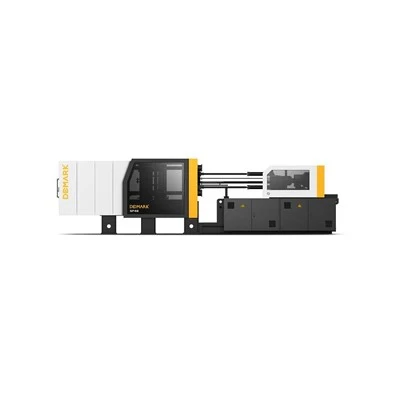
If you’ve spent any time on the shop floor of a packaging plant, you know that PET preform injection molding is a high-stakes game. Run too slow, and you miss your production quotas. Run too fast, and you’re drowning in waste—scratched preforms, short shots, flash, and off-spec parts that end up in the scrap bin before they even make it to a bottle blowing line. As a supplier of PET preform injection molding machines, I’ve sat across from hundreds of plant managers who tell me the same thing: their biggest headache isn’t meeting deadlines—it’s cutting that waste rate, which can eat up 8 to 15 percent of their total production costs. A 100-ton machine churning out 20,000 preforms a day at a 12 percent waste rate is tossing 2,400 parts in the trash—every single day. That’s tens of thousands of dollars a month gone because of avoidable missteps. After troubleshooting installations, helping plant teams train operators, and refining our own machine designs over the last 12 years, I’ve seen what works and what doesn’t when it comes to cutting that waste. PET Preform Injection Molding Machines
Let’s start with the part that most people overlook before they even press the start button: mold maintenance and alignment. I once visited a plant where a 96-cavity mold was wasting 11 percent of its output because two of the cavity inserts were worn down, and the mold’s tie bars were misaligned by just 0.2 millimeters. That tiny gap meant plastic wasn’t packing evenly into the cavities, leading to short shots that looked fine at first glance but would crack when blown into bottles. Most operators only check molds when they see a clear visual defect, but worn cavity surfaces, dirty vent holes, and even small scratches on the mold base add up. A simple weekly deep clean of the mold cavities and vents—using compressed air and food-grade mold release that’s compatible with PET—can cut scrap from clogged vents alone by 3 to 5 percent. Beyond cleaning, alignment checks every 5,000 production cycles are non-negotiable. I’ve had customers tell me they skipped this step to save time, only to lose a week of production replacing a mold that was damaged from misalignment. It’s not just about the mold itself either: the machine’s platens need to be checked for parallelism every quarter. If the platens aren’t perfectly level, the mold closes unevenly, leading to flash along the edges of preforms that can’t be trimmed without ruining the part. I always recommend that our customers use a dial indicator to verify platen parallelism during routine maintenance—It’s a 15-minute task that can save thousands in scrap.
Next, material handling and preparation. PET is a finicky material—its moisture content is make-or-break. If PET resin absorbs more than 0.02 percent moisture before it’s melted, you get hydrolytic degradation, which causes the plastic to become brittle and produce preforms with cloudy walls or weak necks that fail pressure tests. I’ve seen plants skip proper drying to cut energy costs, only to have a batch of 50,000 preforms rejected for quality issues. The key here is not just having a dryer, but maintaining it correctly. Most modern PET dryers need the dew point set between -40 and -50 degrees Celsius, and the resin residence time in the dryer should be at least 4 hours for virgin resin, longer if you’re using regrind. A common mistake is loading too much resin into the dryer at once, which means the parts at the bottom don’t get properly dried. I’ve recommended that our customers use a weigh scale to measure resin loads, keeping them to 80 percent of the dryer’s maximum capacity to ensure consistent drying. When it comes to regrind—post-consumer or post-production scrap that’s ground up and reused—only add up to 20 percent regrind to virgin resin, and only if it’s clean and free of contaminants. Too much regrind changes the melt viscosity of the PET, leading to inconsistent fill rates and more waste. Another trick I share with operators: always check the moisture content of the resin with a moisture meter before a production run, even if the dryer says it’s done. A 5-minute test can catch a faulty dryer element or a misreading that would otherwise lead to a full batch of bad parts.
Then there’s machine setup and process parameters, which is where a lot of operators wing it instead of following data-driven settings. When you set up an injection molding machine for PET preforms, you’re balancing temperature, pressure, and cycle time. Too low of a melt temperature, and the plastic won’t flow evenly into all the cavities, leading to short shots. Too high, and you get burnt material or preforms that warp after production. I’ve worked with our engineering team to refine the process parameters for our machines, and the sweet spot for most 28mm neck PET preforms is a melt temperature between 260 and 280 degrees Celsius, with the nozzle temperature set 5 to 10 degrees higher than the barrel’s front zone. Pressure is another area where operators make mistakes. The injection pressure needs to be high enough to fill all cavities, but not so high that it causes flash or puts unnecessary stress on the mold. I recommend using a pressure transducer to monitor the fill pressure, adjusting it in 10-bar increments until you hit the minimum pressure needed for full cavity fill. Cycle time also plays a role—running too fast to hit quotas means the preform doesn’t cool enough before ejection, leading to deformation. For a 10g preform, a total cycle time of 12 to 15 seconds is standard; pushing it below 10 seconds almost always increases waste from ejected parts that are still soft. One of our customers recently cut their waste rate from 10 percent to 5 percent just by adjusting their cycle time by 2 seconds per part, a small change that added up to $12,000 in monthly savings.
Operator training is the most underrated factor here, and I can’t stress this enough. I’ve walked into plants where operators have been running the same machine for 5 years, but they only know how to adjust one or two parameters when something goes wrong, instead of troubleshooting the root cause. When a preform has a thin neck, they crank up the injection pressure, leading to flash, instead of checking if the mold’s neck insert is worn or if the resin was under-dried. As a supplier, we don’t just sell machines—we offer on-site training for operators and maintenance teams, because I’ve seen firsthand that a well-trained operator can cut waste by 4 to 7 percent without any machine upgrades. The training isn’t just about pressing buttons; it’s about teaching them to track scrap by type (short shot, flash, warped, etc.) so they can spot patterns. For example, if 60 percent of the scrap is short shots from cavities 12 and 15, that’s a sign that the mold has a clogged vent in those specific cavities, not a problem with the whole machine. I also recommend that plants assign a “waste reduction champion” on each shift—someone who tracks scrap rates, logs issues, and implements small changes. This person becomes the go-to for troubleshooting, and over time, they build a set of best practices specific to their line and mold. I had a customer who started this program, and within 6 months, their waste rate dropped from 13 percent to 7 percent, just by having a dedicated person focused on the issue.
Another area that’s gaining traction but is still overlooked is real-time monitoring and automation. Our latest line of PET preform injection molding machines comes with built-in sensors that track cavity fill pressure, melt temperature, and cycle time in real time, alerting operators to anomalies before they lead to scrap. For example, if one cavity’s fill pressure drops 10 percent below the setpoint, the machine can automatically slow the injection slightly for that cavity, or alert the operator to check for a clogged vent, instead of letting that faulty part continue through the line. Some of our customers have paired this with AI-powered software that analyzes historical production data to predict when a mold will need maintenance, or when a batch of resin will have moisture issues, before it starts producing waste. The initial investment in monitoring hardware pays for itself in 6 to 12 months by cutting unexpected scrap. I have a 12-customer case study on our website (not that I’ll plug a link here, but just ask) where implementing real-time monitoring cut their waste rate by an average of 6 percent across 5 machines.
Let’s talk about common myths that lead to avoidable waste. One myth I hear all the time is that higher machine speed equals higher productivity. That’s only true if the parts are good—if you produce 10,000 parts an hour with 10 percent waste, you’re only getting 9,000 good parts, which is less than if you produce 9,500 parts an hour with 2 percent waste. Another myth is that more expensive molds mean less waste. While a high-quality, precision-ground mold will last longer and produce more consistent parts, even a good mold can waste parts if the machine isn’t set up correctly, or if the operator isn’t trained. I’ve seen a $50,000 mold run on a basic machine with an untrained operator have a 12 percent waste rate, while a $20,000 mold on our mid-tier machine with a trained operator had a 3 percent waste rate. The mold is important, but it’s not the only factor.
Now, some of these steps require small investments—new sensors, training, routine maintenance tools—but none of them require a full machine overhaul. For plant managers operating on tight budgets, start small: pick one line, track scrap by type for a week, then implement one change (like weekly mold cleaning or moisture testing resin) and measure the difference. I always advise customers to test changes on one line first, not all at once, so you can see exactly what’s working. For example, if you switch to 80 percent dryer capacity and your waste drops 3 percent, you can roll that out to all your lines.

At the end of the day, reducing waste in PET preform injection molding isn’t about chasing the latest fancy machine feature—it’s about paying attention to the details that have always mattered: maintaining your tools, handling your material correctly, training your team, and using data to make small, consistent adjustments. If you’re ready to take a hard look at your current waste rate and talk about solutions tailored to your line, I’d encourage you to reach out to our team for a no-obligation consultation. We’ve worked with plants of all sizes, from small local packaging producers to global beverage brands, to cut their waste and boost their bottom line. The first step is always an honest assessment of what’s working and what’s not, and that’s something we’re happy to help with, no strings attached.
PET Preform Injection Molding Machines References
Rosato, D. V., & Rosato, M. G. (2004). Injection Molding Handbook. Kluwer Academic Publishers.
Spear, J. R. (2015). Quality Control in Injection Molding. Hanser Publications.
Engineering Data Systems. (2021). Best Practices for PET Preform Production and Waste Reduction. Industrial Plastics Manufacturing Journal.
Demark PET Preform Mould Co., Ltd.
As one of the most professional PET preform injection molding machines manufacturers and suppliers in China, we also support customized service. We warmly welcome you to buy premium PET preform injection molding machines made in China here from our factory. If you have any enquiry about cooperation, please feel free to email us.
Address: Room 1205, No.1055, West Zhongshan Road, Shanghai, China
E-mail: sales@demark-pet.com
WebSite: https://www.pet-preform-mould.com/
