What is the noise level of a hard toothed cylindrical gearbox?
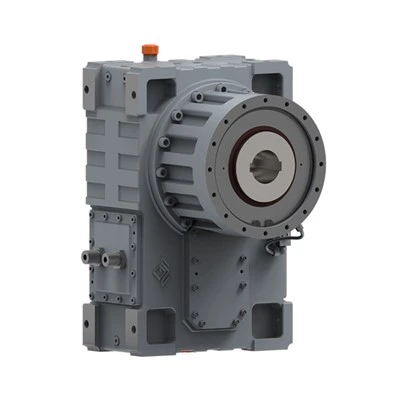
As a supplier of hard toothed cylindrical gearboxes, I often get asked about the noise level of these essential industrial components. Noise is a critical factor in many applications, as excessive noise can not only be a nuisance but also indicate potential problems with the gearbox’s performance and reliability. In this blog post, I’ll delve into the factors that influence the noise level of hard toothed cylindrical gearboxes, how we measure and control it, and why it matters in various industries. Hard Toothed Cylindrical Gearbox

Understanding the Basics of Gearbox Noise
Before we explore the specific aspects of hard toothed cylindrical gearbox noise, it’s important to understand the fundamental sources of noise in any gear system. Gear noise is primarily generated by the meshing of gear teeth. As the teeth come into contact, they experience impact, friction, and vibration, which are then transmitted through the gearbox housing and surrounding structures, producing audible sound.
The noise level is typically measured in decibels (dB), a logarithmic unit that quantifies the intensity of sound. A lower dB value indicates a quieter gearbox. In industrial settings, the acceptable noise level can vary depending on the application, but generally, a gearbox that operates at a lower noise level is preferred for reasons of comfort, safety, and compliance with environmental regulations.
Factors Affecting the Noise Level of Hard Toothed Cylindrical Gearboxes
Several factors can influence the noise level of a hard toothed cylindrical gearbox. Let’s take a closer look at some of the most significant ones:
Gear Design and Manufacturing Quality
The design of the gears themselves plays a crucial role in determining the noise level. Factors such as tooth profile, pitch, and helix angle can affect the smoothness of the meshing process. For example, gears with a well-designed tooth profile can reduce impact and friction during meshing, resulting in lower noise. Additionally, high-quality manufacturing processes, including precise machining and heat treatment, can ensure that the gears have accurate dimensions and surface finishes, further minimizing noise generation.
Material Selection
The choice of materials for the gears and other components of the gearbox can also impact the noise level. Hard toothed cylindrical gearboxes typically use high-strength materials such as alloy steels to withstand the high loads and stresses they are subjected to. However, the material’s properties, such as its hardness, elasticity, and damping capacity, can affect the vibration and noise characteristics of the gearbox. For instance, materials with good damping properties can help absorb and dissipate vibration energy, reducing noise.
Lubrication
Proper lubrication is essential for the smooth operation of a gearbox and can significantly reduce noise. Lubricants help to reduce friction between the gear teeth, prevent wear, and dissipate heat. The type of lubricant used, as well as its viscosity and additives, can affect its performance in reducing noise. For example, a lubricant with good anti-wear and anti-foaming properties can help maintain a stable lubricating film between the gear teeth, reducing noise and improving the overall efficiency of the gearbox.
Installation and Alignment
Incorrect installation and alignment of the gearbox can lead to increased noise levels. If the gears are not properly aligned, they can experience uneven loading and wear, which can cause vibration and noise. Additionally, loose or misaligned mounting bolts can allow the gearbox to vibrate excessively, further contributing to noise. Therefore, it’s crucial to ensure that the gearbox is installed and aligned correctly according to the manufacturer’s specifications.
Operating Conditions
The operating conditions of the gearbox, such as load, speed, and temperature, can also affect the noise level. Higher loads and speeds generally result in increased noise, as the gears experience greater forces and stresses during meshing. Additionally, extreme temperatures can affect the viscosity of the lubricant, which can in turn impact its ability to reduce friction and noise. Therefore, it’s important to operate the gearbox within its recommended load, speed, and temperature ranges to minimize noise.
Measuring and Controlling Gearbox Noise
To ensure that our hard toothed cylindrical gearboxes meet the required noise standards, we use a variety of measurement techniques and control methods.
Noise Measurement
We typically measure the noise level of our gearboxes using a sound level meter. The gearbox is operated under specific test conditions, and the sound level is measured at various points around the gearbox to obtain an accurate representation of its noise characteristics. The measurement results are then compared to the relevant industry standards and customer requirements to determine if the gearbox meets the specified noise level.
Noise Control
To control the noise level of our hard toothed cylindrical gearboxes, we employ several strategies:
- Optimized Gear Design: We use advanced design techniques and computer simulations to optimize the gear geometry and tooth profile, reducing impact and friction during meshing and minimizing noise generation.
- High-Quality Manufacturing: We invest in state-of-the-art manufacturing equipment and processes to ensure that our gears and other components are manufactured with high precision and quality. This helps to reduce the variability in gear dimensions and surface finishes, resulting in quieter operation.
- Proper Lubrication: We provide detailed lubrication recommendations for our gearboxes, including the type of lubricant, lubrication intervals, and oil levels. Using the correct lubricant and maintaining proper lubrication can significantly reduce noise and improve the reliability of the gearbox.
- Vibration Damping: We incorporate vibration damping materials and techniques into the design of our gearboxes to absorb and dissipate vibration energy, reducing noise transmission. For example, we may use rubber mounts or damping pads to isolate the gearbox from the surrounding structure.
- Enclosures and Shields: In some applications, we may provide enclosures or shields for the gearbox to reduce noise emissions. These enclosures are designed to absorb and reflect sound waves, providing an additional layer of noise control.
Why Gearbox Noise Matters in Different Industries
The noise level of a hard toothed cylindrical gearbox can have a significant impact on various industries. Here are some examples:
Manufacturing
In manufacturing facilities, excessive gearbox noise can be a major distraction for workers, leading to decreased productivity and increased stress levels. Additionally, high noise levels can pose a safety hazard, as they can make it difficult for workers to hear warning signals and communicate effectively. Therefore, using quiet gearboxes in manufacturing equipment can improve the working environment and enhance overall safety and productivity.
Automotive
In the automotive industry, gearbox noise can affect the driving experience and the perceived quality of the vehicle. A noisy gearbox can be a source of annoyance for passengers and may also indicate potential problems with the transmission system. Therefore, automotive manufacturers strive to use quiet gearboxes to improve the comfort and reliability of their vehicles.
Renewable Energy
In the renewable energy sector, such as wind turbines and solar tracking systems, gearboxes are used to transfer power from the rotating components to the generator or other equipment. Excessive gearbox noise can not only be a nuisance for nearby residents but also indicate potential mechanical problems that can lead to downtime and increased maintenance costs. Therefore, using quiet gearboxes in renewable energy applications is essential for ensuring the long-term reliability and efficiency of these systems.
Conclusion
Planetary Reducer As a supplier of hard toothed cylindrical gearboxes, we understand the importance of noise control in various industries. By carefully considering the factors that influence the noise level, using advanced measurement techniques, and implementing effective noise control strategies, we are able to provide high-quality gearboxes that meet the strictest noise standards. If you are in the market for a hard toothed cylindrical gearbox and are concerned about noise levels, we encourage you to contact us to discuss your specific requirements. Our team of experts will be happy to help you select the right gearbox for your application and provide you with the technical support you need.
References
- ISO 16063-1:2015, Acoustics – Methods for the calibration of vibration pick – ups – Part 1: Primary methods
- AGMA 9005 – E02, Fundamental Rating Factors and Calculation Methods for Involute Spur and Helical Gear Teeth
- DIN 3960:1987, Cylindrical gears; concepts, quantities, quality specifications
Shandong Guomao Guotai Reducer Co., Ltd.
Address: 55-1 Zhichu Road, Zhifu District, Yantai City, Shandong Province. Shandong Guomao Guotai Gearbox Sales Co., Ltd
E-mail: sales@cnspeedreducer.com
WebSite: https://www.sdguomaoreducer.com/
