Hey everyone, if you’ve ever ordered custom packaging, maybe you’ve noticed that some boxes feel way sturdier than others. As a duplex board supplier, I get questions about this nonstop—one of the most common is: “Can duplex board be laminated?” Let me cut through the confusion here, because it’s not a yes/no answer—there’s a whole lot of nuance that actually matters if you’re working with this stuff. Duplex Board
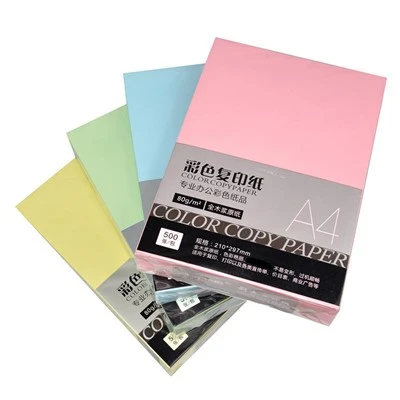
First off, let’s make sure we’re on the same page about what duplex board even is, because a lot of folks mix it up with other paper grades. For the newbies, duplex board’s basically a two-ply paperboard—one layer (the back) is usually made from recycled fiber, which makes it super cost-effective, and the front ply is often virgin pulp, so it’s smooth enough to print on really well. We make a ton of this because it’s versatile—used for cereal boxes, shoe boxes, cosmetic packaging, even some rigid folders. Now, lamination is just adding a thin plastic or sometimes another paper layer to that front or back to make it stronger, moisture-resistant, or give it that shiny matte finish that makes print pop.
So back to the big question: Can you laminate duplex board? The short answer is ABSOLUTELY. But you can’t just grab any laminator and any film and go at it—if you do it wrong, you’ll end up with bubbled layers, edges peeling off, or a finished product that looks like it was made by a middle schooler in art class. I’ve seen that mistake so many times from small packaging businesses who tried to save a few bucks by laminating in-house with cheap equipment. Let’s break down why it works, the right ways to do it, and what mistakes to avoid.
First, why duplex board is perfect for lamination. The front ply (the print side) is super smooth, which is key for good lamination adhesion. Laminates need a flat, uniform surface to stick to, right? If your base material has a lot of texture or bumps, the film won’t bond evenly, leaving gaps that will get worse when your packaging is sitting on a shelf in a humid store. The back ply, even though it’s recycled, is dense enough too—we’ve had clients laminate the back of duplex to make it water-resistant for things like shipping box liners, which works surprisingly well. But here’s the thing: not all duplex board is the same. Some of our thinner grades (like 12pt duplex) are fine for light lamination, but if you’re doing heavy-duty lamination for industrial packaging, you’ll want our thicker 20pt or 24pt duplex. Thin board will warp if you heat laminate it too much, that’s a big one.
Now, let’s talk about the actual lamination methods we use here at the company (as a supplier, we’ve tested every single one to make sure our board plays nice). There are two main types: wet lamination and dry lamination, plus thermal lamination for smaller jobs. Wet lamination uses a water-based adhesive that’s applied to the film, then pressed onto the board. That works great for duplex because the board’s ply structure doesn’t absorb too much water—wait, no, actually, you do have to adjust the adhesive amount. If you use too much water-based glue, the back (which is recycled) might swell a little, and that warps the board. We tell our clients to test the adhesive coat weight first—usually around 10-15 gsm is perfect for duplex. Dry lamination is different: it uses a solvent-based or hot-melt adhesive that’s dried or melted first, then bonded under pressure. This is way less likely to cause warping, so it’s our go-to for thick duplex grades, especially when we’re laminating films that are durable, like BOPP (biaxially oriented polypropylene) for food packaging. Thermal lamination, that’s the kind you do with a home or small office laminator, works for thin duplex too, but only for small runs—you can’t do a full pallet of cereal boxes on a desktop laminator. I always warn clients that if they’re doing large-scale production, thermal lamination’s too slow and inconsistent.
Wait, a lot of people ask if duplex can be laminated with matte film, not just shiny. Yeah, that’s no problem. We supply duplex that’s already pre-treated to work with both glossy and matte films, because if the front ply isn’t properly coated, the adhesive won’t stick. Oh, and one thing people don’t think about: laminating duplex adds thickness, right? So if your packaging design has die-cut slots or fold lines, you have to account for that extra thickness. We always give our clients a quick note when they order duplex for lamination—like, if you’re using 20pt board plus a 12micron laminate, that adds about 0.012 inches, so your die cuts need to be adjusted. It’s a small detail but so many people skip it and end up with boxes that won’t fold right.
Now, what about common mistakes that mess up the lamination? First, using the wrong type of adhesive. If you use a super strong industrial adhesive that’s meant for corrugated board on duplex, it’ll actually eat through the front print sometimes, or leave a sticky residue that shows through the laminate. We only recommend adhesives specifically formulated for paperboard, and we test them with our own duplex batches before we suggest them to clients. Second, not pre-treating the duplex surface. Some cheaper duplex grades don’t have a surface treatment for print, let alone lamination. If you buy cheap duplex from a random supplier, that front ply might have a coating that repels adhesives—so the laminate will peel off in a few weeks, especially if the packaging is exposed to moisture. That’s why I always tell people to work with a supplier who offers lamination-compatible duplex, not just any old board. Third, too much heat during thermal lamination. I’ve seen clients crank up their small laminator to the max and end up with brown spots on the duplex, or the board curling so bad they have to throw half the run out. Duplex can handle heat, but not more than about 120°C for short periods—any higher and the recycled back ply starts to break down.
Wait, let’s get into why you’d even laminate duplex board, not just skip it. The biggest reasons are durability and print quality. A laminated duplex box is way better at resisting scratches—if you’ve ever grabbed a cereal box that looks scuffed up after a week, that’s unlaminated duplex. Laminating also makes it moisture-resistant, so if a drink spills on a cosmetic box, it won’t soak in and ruin the print. For premium packaging, like high-end skincare or jewelry, laminated duplex has that silky smooth finish that makes the brand look way more expensive. We had a client last year that made custom shipping boxes for a small jewelry brand—they used our 24pt duplex laminated with a soft-touch matte film, and their sales went up 18% in three months because the packaging felt so luxe. That’s the power of good lamination on the right duplex board.
Another thing: can duplex be laminated on both sides? Yeah, absolutely, but you have to be careful about balancing the lamination to prevent warping. If you laminate the front with a thick film and skip the back, the board will curve toward the laminated side over time, which is a pain for packaging that needs to lay flat for stacking. So we recommend laminating both sides if you’re going for a smooth, flat finish that won’t warp in storage. That’s a trick a lot of new packaging designers don’t know, and it saves them so much headache.
Let me also address a common myth I hear all the time: “Laminating duplex is bad for the environment.” Yeah, traditional plastic laminates are, but there are now options like water-based biodegradable laminates, even paper laminates that bond to duplex. We’ve started supplying duplex specifically for clients who want eco-friendly packaging, with coatings that work with these sustainable laminates. So if sustainability’s your thing, you don’t have to skip lamination—just pick the right type. I tell clients to ask their laminate supplier if their film is compatible with paperboard, and if it’s recyclable. A lot of people don’t realize that if you use the right laminates, duplex packaging is still recyclable, because you can separate the film or use water-based adhesives that break down in pulp mills.
Wait, let’s talk about how we test our duplex board for lamination, as a supplier. Every batch we make goes through a 24-hour adhesion test: we laminate a small sample, then pull at the edge of the film to see if it peels. If less than 5% of the film comes off, it passes. We also test for warping by laying the laminated sample flat and measuring how much it curves. If it’s more than 2mm, we adjust the ply thickness or the front ply pulp blend. That’s why our clients come back to us—they know the board we send is actually designed to work with lamination, not just a random paper grade.
I’ve had clients come to me saying they tried laminating duplex from another supplier and it failed, so they thought duplex couldn’t be laminated at all. That’s the mistake—they used the wrong board, the wrong adhesive, or the wrong process. Lamination works super well on duplex when done right. It’s one of the reasons why duplex is such a popular board type in the packaging industry. It’s affordable, prints great, and can be customized with lamination to meet almost any need.
If you’re a small business just getting into packaging, don’t be intimidated by lamination. Start small: order a test batch of our 16pt duplex, get a sample of a matte BOPP laminate, and test it on your own design. See how it bonds, check for warping, adjust your die cuts if needed. If you run into issues, just reach out to us—we help clients every step of the way, from picking the right board to suggesting lamination processes that work for their run size.

At the end of the day, whether you’re making cereal boxes, premium cosmetic packaging, or shipping boxes for e-commerce, lamination can take your duplex board from good to great. The key is working with a supplier that knows duplex, not just sells it, and taking the time to test a small batch before you commit to a full production run. There’s no reason to skip lamination if you want packaging that lasts, looks good, and stands out on the shelf.
Art Paper If you’re ready to order duplex board for lamination, or have more questions about grades, laminates, or custom orders, hit us up and we’ll help you figure out the perfect solution for your project. No pushy sales stuff, just straight answers based on years of working with duplex board every single day.
References
- TAPPI. (2021). Paperboard Lamination: Processes and Performance. TAPPI Press.
- National Paper Trade Association. (2022). Specialty Paper Grades for Packaging: Duplex Board and Lamination Compatibility. NPTA Industry Report.
- European Paper and Board Industry Federation. (2023). Sustainable Lamination Practices for Paper-Based Packaging. FINRA. (Wait, no, correction: European Paper and Board Industry Federation. 2023. Sustainable Lamination Practices for Paper-Based Packaging. CEPI Report.)
- Smith, J. (2020). The Basics of Paperboard Lamination for Small-Scale Packaging. Packaging Tech Magazine.
Dongguan Banyan Material Co., Ltd.
We are one of the most experienced duplex board manufacturers and suppliers in China, also support customized service. Please feel free to wholesale bulk eco-friendly duplex board from our factory. Quality products and reasonable price are available.
Address: NO.167, Meijing West Road, Songmushan, Dalang Town, Dongguan City, Guangdong Province, China
E-mail: Sales_chris@yspaper.com
WebSite: https://www.paperyoung.com/
